

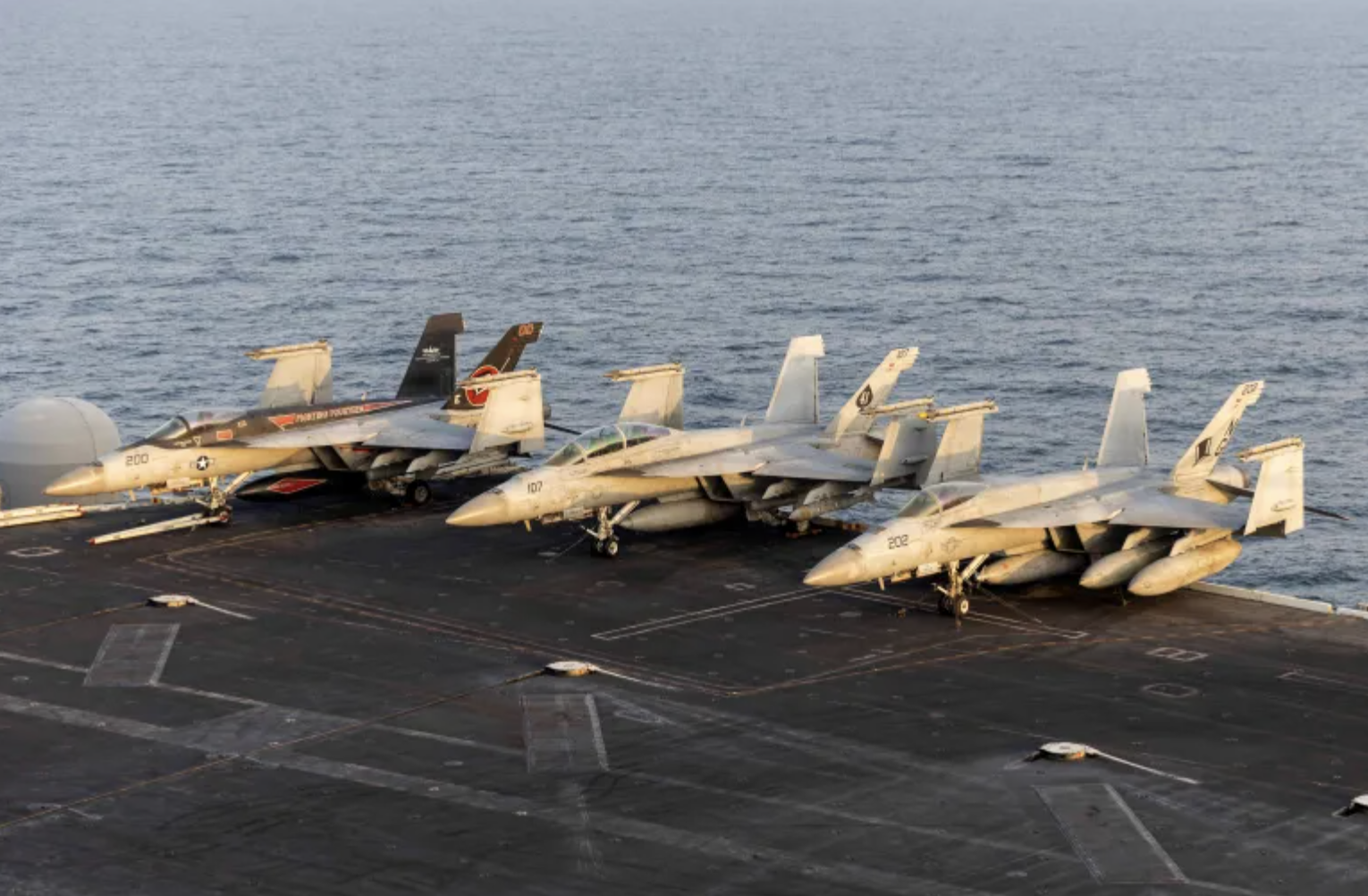
Nearly four weeks after the start of Operation “Epic Fury”, the conflict between the United States, Israel and Iran has significantly intensified. The air campaign against Iranian military infrastructure, which began on February 28, has developed by the end of March into the largest US troop deployment to the Middle East since the Iraq War. While US President Donald Trump speaks of ongoing negotiations, Tehran rejects direct talks and continues the military confrontation.
According to US Central Command, the airstrikes have hit more than 9,000 targets, including facilities of the Revolutionary Guard, missile bases, drone factories and naval units. More than 140 Iranian vessels have been damaged or destroyed. Iran has responded with near-daily missile and drone attacks targeting Israel, Gulf states and US bases, while largely blocking the Strait of Hormuz, through which about one-fifth of globally traded oil passes.
Alongside the air campaign, the US is reinforcing its ground presence. Around 2,000 soldiers from the 82nd Airborne Division have been deployed, in addition to two Marine units comprising about 4,500 Marines and sailors. In total, roughly 7,000 additional US troops have been sent to the region since the conflict began. These forces include amphibious ready groups built around the warships USS Tripoli and USS Boxer, as well as a rapidly deployable airborne response force.
The deployed forces are designed for rapid, limited operations rather than a full-scale ground war. Military analyses indicate a lack of heavy armored units, extensive logistical structures and sufficient troop levels for a long-term occupation. Instead, the focus is on targeted missions such as securing strategic locations, conducting short-term strikes or controlling key maritime routes.
Possible scenarios include securing or blockading Iran’s oil island of Kharg, conducting operations along the coastline to reopen the Strait of Hormuz, or intervening to secure Iranian nuclear material. The latter would require significantly larger forces. A limited operation to secure the shipping route is considered the most realistic, while attacks on critical infrastructure such as Kharg carry a high risk of escalation.
The military buildup is unfolding alongside uncertain diplomatic efforts. Washington appears to be using the troop deployment as leverage to strengthen its negotiating position. Trump has spoken of progress and agreements on several points, while Iran has only acknowledged indirect messages via third parties. A US ultimatum to reopen the strait was briefly extended.
Pakistan is increasingly positioning itself as a potential mediator. Prime Minister Shehbaz Sharif has offered to host talks between the parties. At the same time, experts warn that further US troop increases could intensify escalation dynamics and reduce diplomatic flexibility.
Source: Al Jazeera