

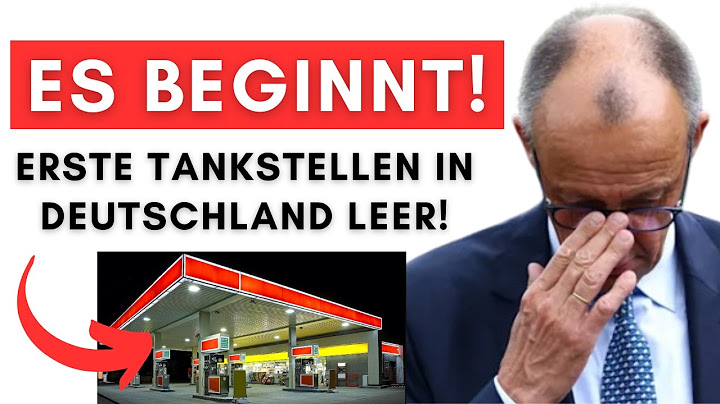
Temporary fuel shortages are affecting some gas stations in Germany, while prices for diesel and gasoline remain high in many places. At a border crossing where people previously refueled more cheaply, drivers are facing empty pumps; premium unleaded and diesel are available only in small remaining quantities, and some customers get only a few liters or leave without fuel. Similar shortages are reported within a radius of about ten kilometers, and it is unclear when supplies will arrive. As background, it is said that the Strait of Hormuz has been closed for around a month, removing about 20 percent of global oil supply; there are also warnings about panic buying that could accelerate the shortage, while the federal government describes the situation as temporary.
At the same time, several lines of escalation in and around the Iran conflict are described. Iran is said to have denied attacking desalination plants in Kuwait and instead accused Israel of striking the facilities and shifting the blame onto Iran. Donald Trump reportedly wrote on Truth Social that the United States is holding talks with a “new” and “more reasonable” regime, but also threatened—if no agreement is reached and the Strait of Hormuz is not reopened—to destroy power plants, oil fields, and possibly desalination plants as well as civilian infrastructure. It is also stated that, given the strained oil situation, the EU has sent signals to reduce Ukrainian attacks on Russia’s oil sector, while hopes for pipeline bypass routes have been dampened after reports of fires at pumping stations on a pipeline intended to enable shipments without passing through the Strait of Hormuz.
Another risk mentioned is a nuclear escalation: an Iranian member of parliament reportedly suggested on state television that the country should withdraw from the Nuclear Non-Proliferation Treaty, arguing that one does not have to follow rules while the country is being bombed; the treaty includes, among other things, inspections by the International Atomic Energy Agency. The move is portrayed as a preliminary step toward acquiring a nuclear bomb; at the same time, it is claimed that Iran had previously tried negotiations and even offered to hand over its uranium, which Donald Trump allegedly rejected before the United States, together with Israel, attacked Iran. Italy’s defense minister, Guido Crosetto, is quoted as saying that what could happen in the coming weeks is depriving him of sleep because of the expected effects on the economy and everyday life.