

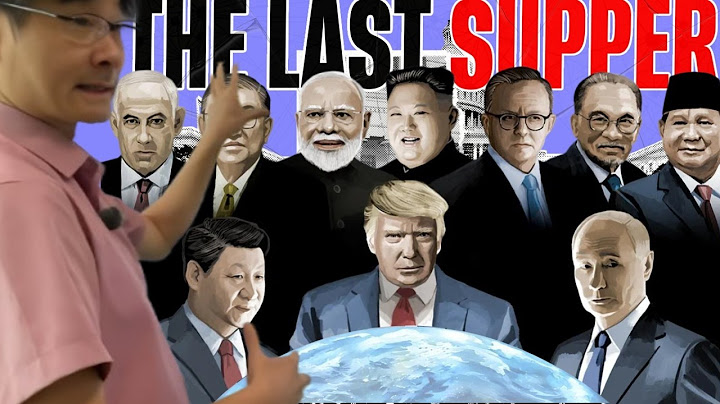
The coming decades are likely to be shaped by a profound transformation of the global order. A multipolar structure marked by increasing uncertainty and competition is replacing the dominance of a single superpower. Economic setbacks such as deindustrialization and a shift away from urban living are expected, while national interests, military rearmament, and the mobilization of younger generations gain importance. At the same time, more isolated trading blocs are emerging, along with conflicts over resources such as water and food, which are likely to intensify migration, political instability, and social tensions in Europe and North America. Religion may also regain greater influence in society.
Geopolitically, flexible and shifting alliances are becoming apparent. In the long term, unexpected partnerships could develop, for example between European and Eurasian actors, while regional powers in the Middle East may establish their own spheres of influence. The United States remains a central player due to its resources and geographic position but may adopt a more nationally focused course. Demographic challenges, particularly aging populations, are seen as an additional issue that could lead to intergenerational conflict in many countries.
At the same time, increasing fragmentation of state structures is emerging, potentially leading to smaller, more resilient political units. International relations are becoming more dynamic and harder to predict, as alliances can shift rapidly depending on interests. Technological developments may also lead to more tightly controlled societal models, in which social inequality continues to grow. Overall, this points to a more unstable and conflict-prone world in which existing orders remain in constant flux.