

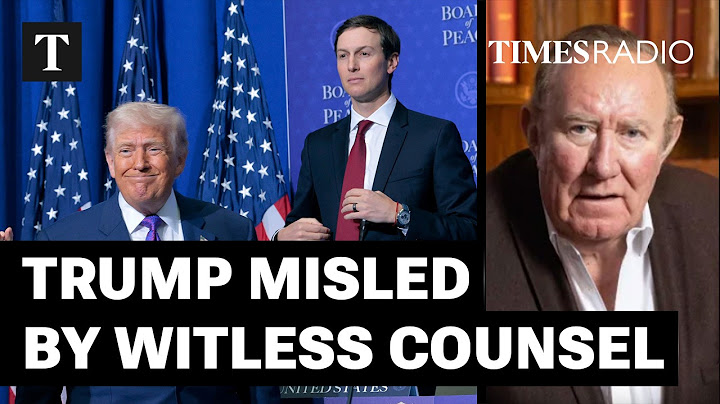
Tensions between the United States and Iran have escalated significantly. Donald Trump has threatened to strike Iranian power plants if the Strait of Hormuz is not reopened within 48 hours. In response, Iran has announced attacks on the water and energy infrastructure of Gulf states. Observers assume that the U.S. administration entered the conflict based on false assumptions and currently lacks both a clear strategy and an exit plan. There appears to be uncertainty within the White House, while contradictory statements by the president further complicate the situation. Further escalation could become militarily uncontrollable and severely disrupt global energy supplies.
The situation carries the risk of a historic energy crisis. For the first time, an actual closure of the Strait of Hormuz is looming, while energy infrastructure in the Middle East is being deliberately destroyed. Experts warn of severe consequences: prices for oil products have already risen sharply, and not only higher costs but also real supply shortages are expected. This could lead to global shortages of fuel and gas, regardless of buyers’ ability to pay. Fears of potential Iranian attacks on Europe are considered unrealistic; the economic consequences of an energy disruption are seen as far more significant.
The effects of such a crisis would quickly become noticeable in everyday life: rising energy prices, higher heating costs, and more expensive fuel. In addition, essential inputs such as fertilizer and industrial materials would become more costly, driving up food prices and triggering broad inflation. Particular concern surrounds the response of central banks: raising interest rates to combat inflation could push economies into recession. Past experience shows that it is often not the energy price increases themselves, but misguided monetary policy decisions that cause the most severe economic damage. Overall, the situation is expected to worsen before any stabilization occurs.