

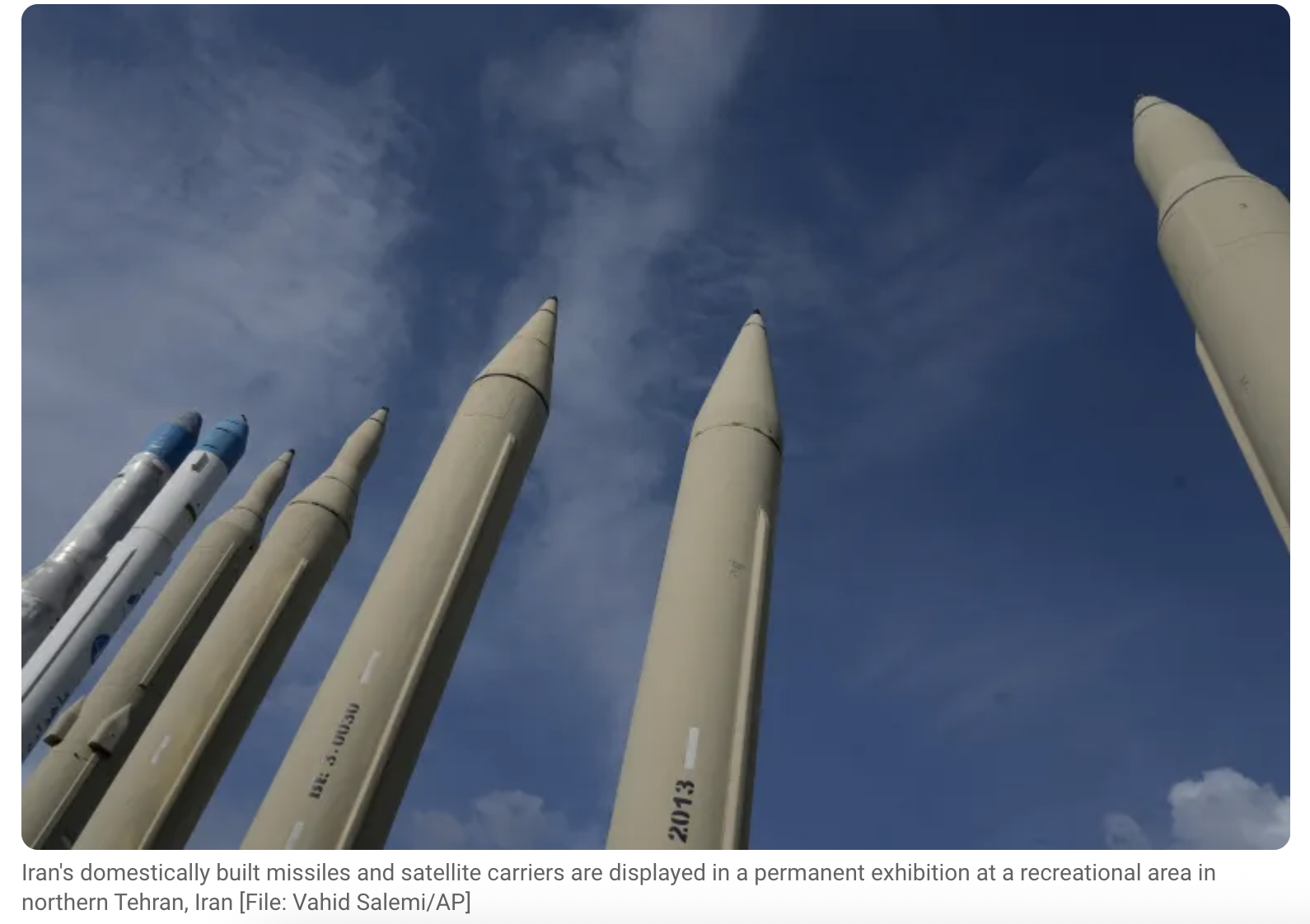
Despite public denials from Tehran about direct talks with Washington, indirect communication channels have reportedly been established through Egypt, Türkiye, and Pakistan, according to diplomatic sources. At the same time, the positions of both sides remain far apart, leading experts to assess the chances of a ceasefire as low. Since the outbreak of the war at the end of February, triggered by US and Israeli attacks, Iran’s stance has hardened. While Washington and Tel Aviv claim that Iran’s military capabilities have been significantly weakened, Tehran continues to demonstrate its ability to carry out precise strikes, including on regional energy infrastructure and targets in Israel. The strategically vital Strait of Hormuz also remains a key pressure point, with a significant share of global oil trade disrupted.
According to experts, Iran’s leadership is not only seeking an end to the fighting but is also aiming for a post-war order that includes security guarantees, economic benefits, and restored deterrence. Its demands include sanctions relief, reparations, and firm assurances against future attacks. At the same time, Tehran is leveraging its control over the Strait of Hormuz and is even considering new regulations for passage. The United States, meanwhile, continues to demand restrictions on Iran’s nuclear programme and adjustments to its missile arsenal, although it appears more flexible on certain points than before.
Prospects for negotiations are further undermined by deep mistrust, as US military strikes occurred during previous rounds of talks. It also remains unclear who would lead negotiations on Iran’s side after key political figures were killed in attacks. The appointment of a former Revolutionary Guard commander as head of the national security council signals a harder line. Meanwhile, the United States is increasing its military presence in the region and considering further escalation. Observers warn that, given the conflicting interests and the strategic importance of the Strait of Hormuz, a military solution is becoming increasingly likely.
Source: Al Jazeera