

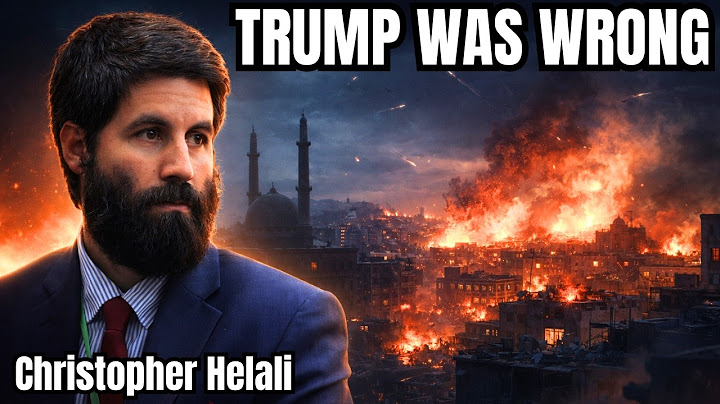
Iran is portrayed as a resilient state that continues to assert itself despite military pressure from several Western countries. Contrary to widespread perceptions, the country is described as neither backward nor isolated, but rather as having a highly educated population, significant scientific and technological achievements, and a long cultural tradition. Society is characterized by cohesion, hospitality, and a strong national and religious identity. These factors are seen as strengthening internal stability and making external interference or political upheaval from abroad more difficult.
Comprehensive sanctions are identified as central to the country’s economic problems and are described as a form of economic warfare. They particularly affect the civilian population, for example through restrictions in aviation, healthcare, and access to technology. This has led to inflation, supply shortages, and broader economic strain. At the same time, the population is portrayed as resilient, perceiving the sanctions as external political pressure and in part accepting them as the price for an independent foreign policy.
In the military conflict, Iran is assessed as strategically capable, particularly through asymmetric warfare and control of key geopolitical points such as the Strait of Hormuz. The confrontation has led to escalation with global economic risks. A resolution appears possible only through negotiations, with demands including sanctions relief, financial compensation, and the withdrawal of foreign troops. Overall, Iran is seen as being in a strengthened negotiating position, while the region’s long-term stability remains uncertain.