

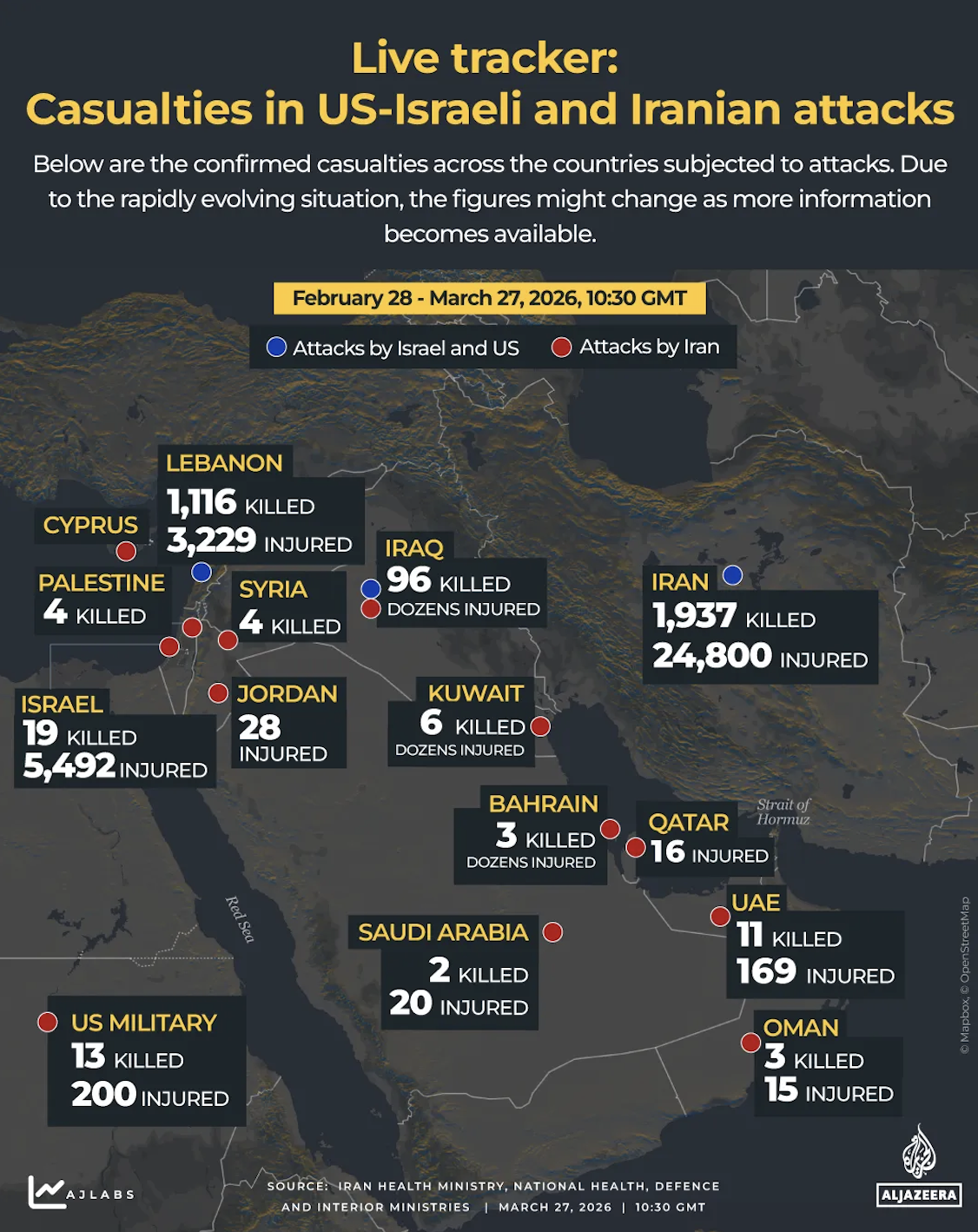
Iranian politicians are advancing plans to withdraw from the Treaty on the Non-Proliferation of Nuclear Weapons (NPT) amid ongoing attacks by the United States and Israel. Proposed legislation aims not only to exit the treaty but also to lift existing restrictions on Iran’s nuclear program linked to the now-defunct 2015 agreement, while promoting a new international framework with allied countries to develop peaceful nuclear technologies. Any approval by parliament would also require confirmation by the Guardian Council.
Government and parliamentary representatives justify the potential withdrawal by citing a lack of benefits from NPT membership. Hardliners have long called for abandoning the treaty and developing nuclear weapons in response to external pressure. At the same time, Iranian authorities accuse the International Atomic Energy Agency (IAEA) of adopting a politicized stance and being complicit in attacks on Iranian nuclear facilities, allegations the agency denies. Senior Iranian officials have particularly criticized IAEA Director General Rafael Grossi, accusing him of enabling attacks through his reports.
Military strikes have intensified significantly, increasingly targeting critical infrastructure. Among the sites hit are a uranium processing facility in Yazd and the Khondab Heavy Water Complex near Arak. Several projectiles landed near the Bushehr Nuclear Power Plant, prompting IAEA warnings about potential radiological risks. Major steel facilities in Isfahan and Ahvaz were also struck, damaging production lines and power supplies and leading to a suspension of operations in Ahvaz.
These industrial sites are central to Iran’s non-oil exports and support thousands of jobs. The attacks have worsened the country’s economic situation, already strained by high inflation and energy shortages. At the same time, US President Donald Trump delayed planned strikes on Iranian power infrastructure until April 6 and described negotiations as progressing well, despite ongoing disagreements between the sides.
Tehran experienced some of its most intense nights of bombing, with air raids causing temporary power outages and illuminating large parts of the city. Residents reported strong odors from explosions in several areas. For about a month, internet access across the country has been largely cut off, severely limiting communication with the outside world, leaving only a state-controlled intranet in operation.
Security forces have increased their presence nationwide and issued warnings against further protests. State media continue to broadcast videos of apparent forced confessions, including footage of a girl reportedly detained for sending recordings of missile strikes to foreign media.
A nighttime strike in Tehran reportedly hit buildings at the Iran University of Science and Technology, damaging research facilities without causing fatalities.
Source: Al Jazeera