

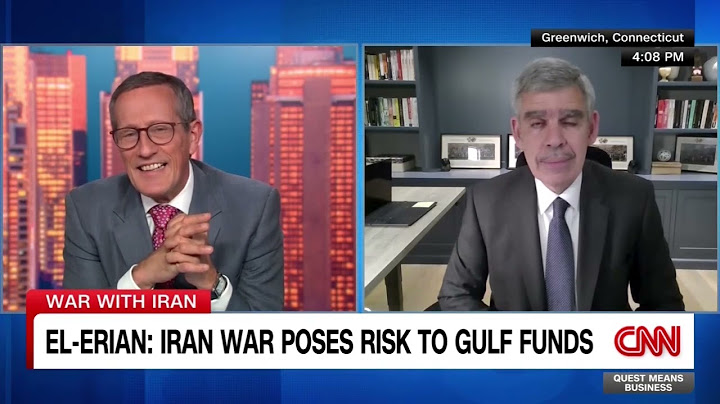
The Gulf states have built up significant current account surpluses of more than 800 billion US dollars in recent years and have invested this capital worldwide, including in future-oriented sectors such as artificial intelligence and life sciences. However, in light of increasing tensions and attacks, a decline in these investments is looming, as funds are increasingly being redirected into their own economies, for example to rebuild energy infrastructure and protect the population. This could have far-reaching consequences for international financial markets, as the countries of the Gulf Cooperation Council have so far been regarded as important, long-term-oriented investors with large capital volumes.
The potential reallocation of financial flows is occurring in an already strained environment marked by rising public debt in advanced economies, increasing bond issuance, as well as signs of stress in private credit markets and inflated expectations related to AI investments. A decline in capital inflows from the Gulf states could amplify existing risks and affect markets for mergers, equities, and bonds. At the same time, investments continue to shift, but into different areas and with a changed impact on the global economy.
The economic consequences depend less on the duration of the conflict than on the crossing of critical tipping points, such as the transition from short-term disruptions to structural damage or the interruption of actual supply volumes, particularly to Asia. Such a disruption in deliveries would affect not only prices but also the available quantities and could occur within a few weeks.