

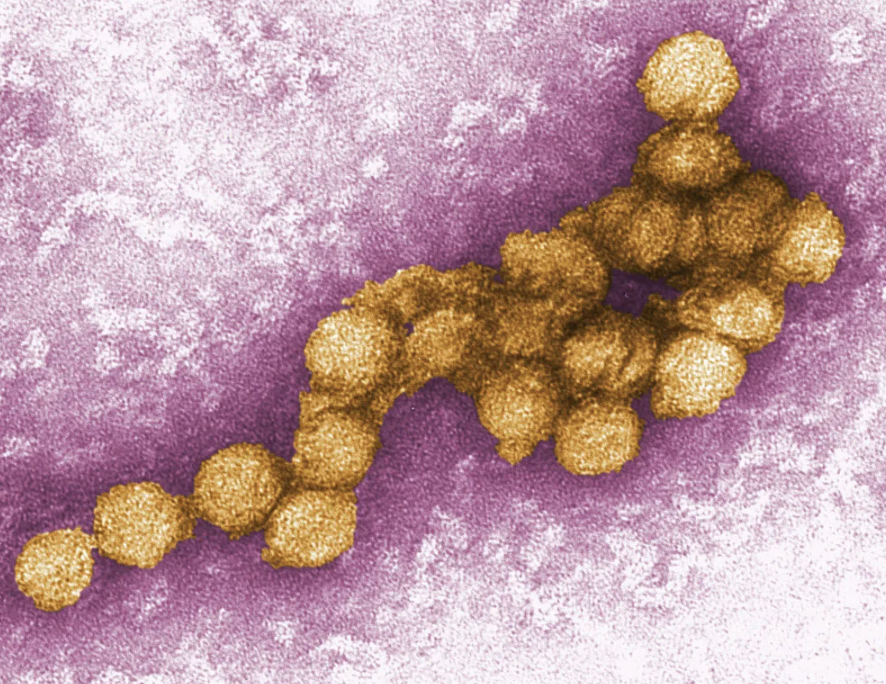
The question was raised as to how the existence of viruses is scientifically demonstrated. Subsequent research showed that virology employs various methods such as filtration, cell culture, imaging, molecular analysis, immune assays, animal experiments, and metagenomics. However, these approaches already presuppose the existence of viruses and build their findings on corresponding models and assumptions without directly verifying their fundamental existence.
Particular attention was given to the so-called cytopathic effect (CPE), in which cell cultures die after the addition of material presumed to contain viruses. Criticism from some researchers states that this cell death is not caused by viruses but by laboratory conditions such as reduced nutrients and high concentrations of antibiotics. In addition, control experiments are often absent in such studies. One research project carried out these controls and found that cell damage occurs even without the addition of viruses under the same conditions.
Imaging techniques such as cryo-electron microscopy and conventional electron microscopy were also examined. It became apparent that the representation of viruses depends heavily on preparatory procedures and interpretative models. The resulting images are derived from highly processed samples and are interpreted through comparisons of shape and size with known virus structures. In experiments using verified virus-free cell cultures, laboratories still identified structures resembling typical viruses, indicating possible misinterpretations of cellular components such as vesicles or cellular debris.
Investigations into the direct observation of viruses in blood using light microscopy showed that while similarly sized cellular structures are visible, viruses are considered undetectable because they are described as lacking contrast and being transient. Studies on disease transmission also produced inconsistent results. Long-term datasets and controlled experiments involving humans and animals sometimes showed no or only minimal evidence of transmission under natural conditions. In some studies, no illness occurred even after close contact or deliberate exposure.
The perception of contagion in everyday life is described as potentially subjective, as individuals tend to recall cases that confirm their expectations. At the same time, alternative explanatory approaches such as terrain theory attribute illness to internal factors including environmental conditions, nutrition, stress, or toxic influences. Listed possible causes include pollutants, malnutrition, sleep deprivation, psychological stress, environmental factors, and social influences, which are considered potential triggers of disease symptoms.
Source: Principia Scientific