

More than two decades after the mass protests against the Iraq War, it is now widely regarded as a grave mistake that led to prolonged instability and numerous subsequent conflicts. At the time, the United Kingdom joined the United States in launching a war justified by false claims, resulting in the deaths of over one million people in Iraq.
Against this backdrop, the current military escalation against Iran is viewed critically. Since the start of attacks by the United States and Israel nearly a month ago, more than 1,400 people in Iran and over 1,000 in Lebanon have been killed. The official justification by the US government—that it must counter an imminent threat from Iran and prevent its nuclear weapons program—is rejected as unfounded. Even senior US security officials reportedly stated that there was no immediate danger and that the war was initiated under political pressure.
It is also pointed out that Israel is the only country in the Middle East possessing nuclear weapons. A diplomatic solution, for example through international disarmament negotiations, had been available but was not pursued. Instead, the military escalation has further endangered global security.
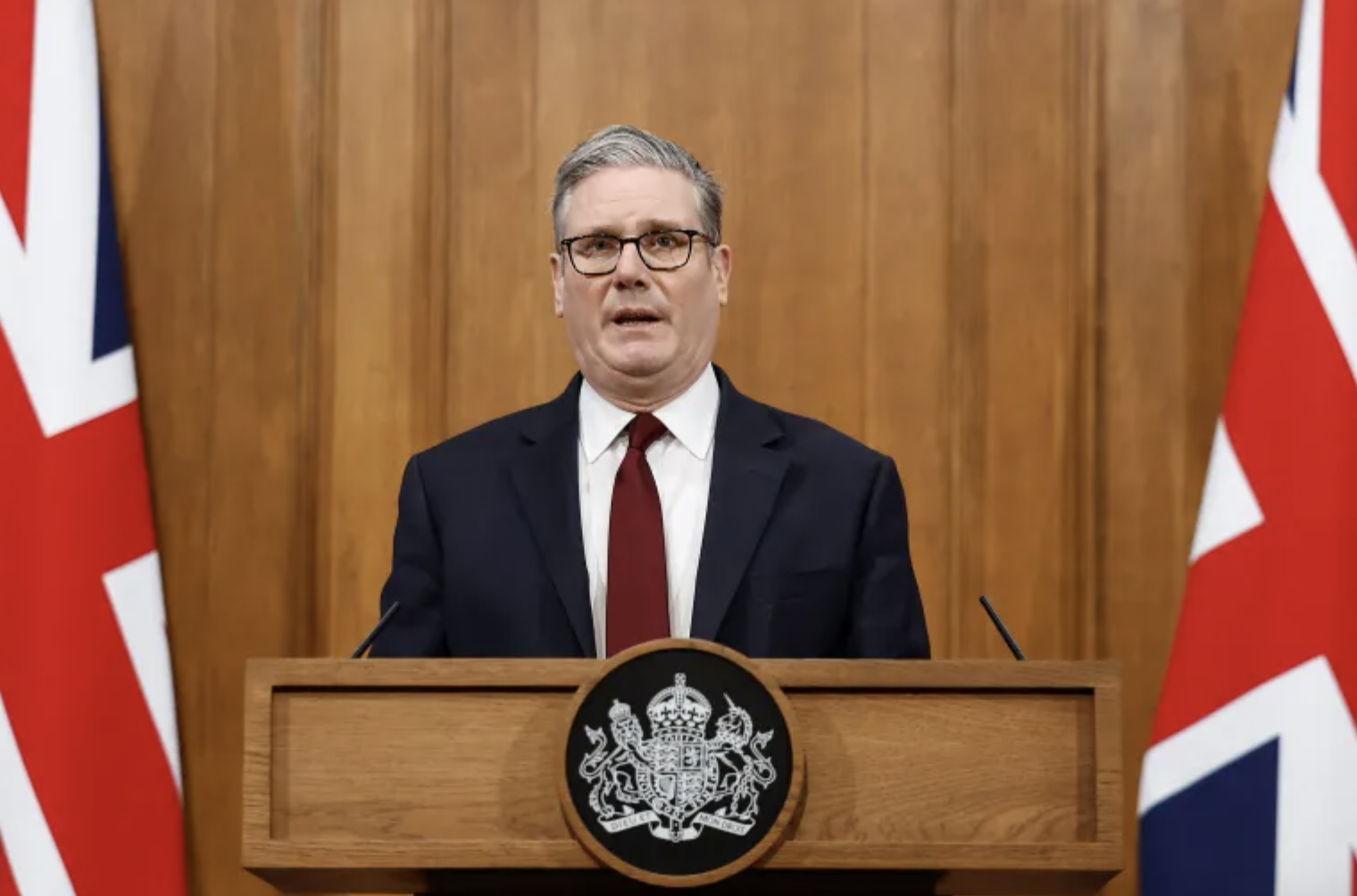
The role of the United Kingdom is also under criticism. The government allowed the United States to use British military bases for strikes on Iranian targets, including operations related to the Strait of Hormuz. Despite official claims that these were merely defensive measures, this is seen as direct involvement in the war. The distinction between offensive and defensive actions does not alter responsibility for potential civilian casualties.
Politically, it is criticized that these decisions were made without parliamentary approval. A proposed law requiring parliamentary consent for military involvement or the use of British bases by other nations has not been implemented.
The military intervention is broadly assessed as a violation of international law, particularly if it aims at enforced regime change. Historical experience has shown that aerial bombardments do not bring stability or improve human rights. Instead, previous US-led interventions have consistently resulted in chaos, instability, and significant human suffering.
Overall, current policy is portrayed as a continuation of past mistakes that endanger international security. A consistent foreign policy based on international law, national sovereignty, and peaceful solutions is being called for.