

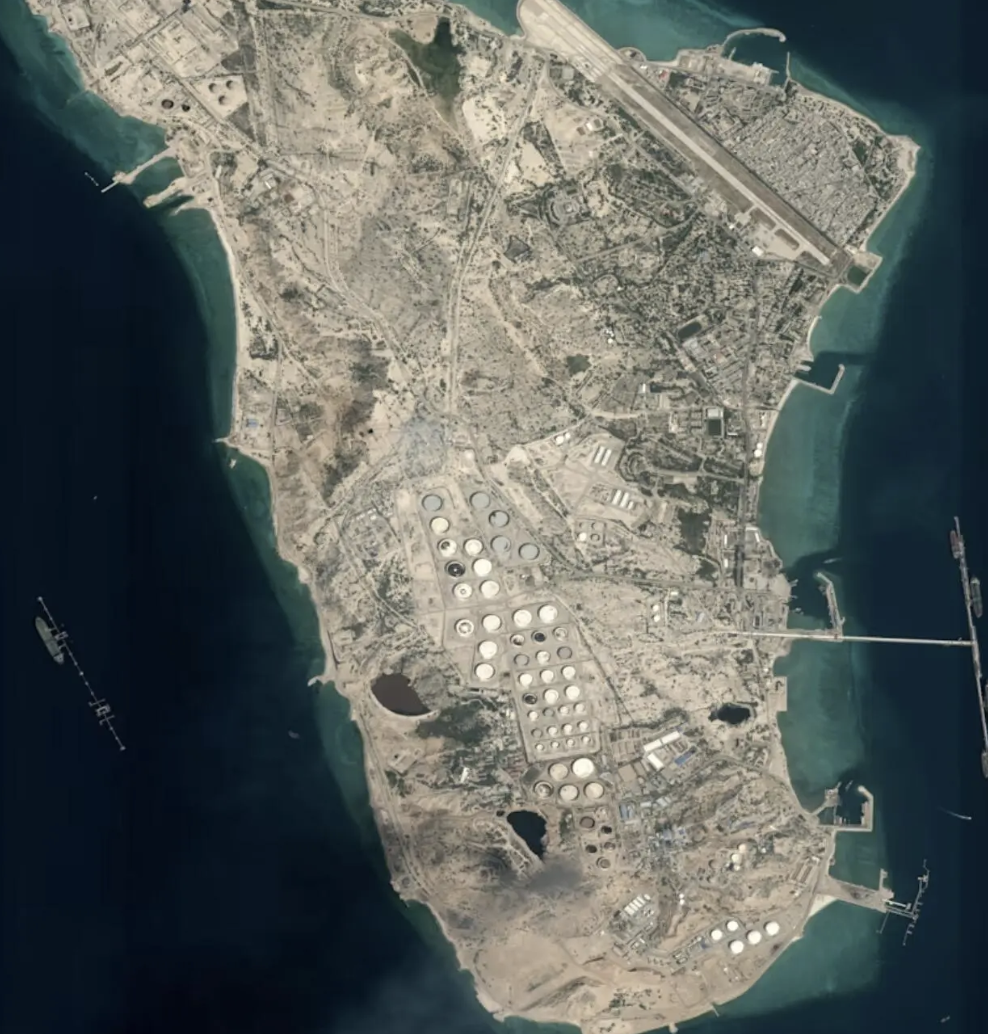
Iran has significantly reinforced its defenses on the strategically important Kharg Island and is preparing for a possible attack by the United States. The island is of central economic importance, as around 90 percent of Iran’s crude oil exports are handled through it. The background is rising tensions, while discussions in Washington consider a military seizure of the island to pressure Tehran, particularly in connection with reopening the Strait of Hormuz.
Military planning under the administration of Donald Trump includes the potential deployment of U.S. ground forces, but experts warn of considerable risks. Iran has deployed additional air defense systems on the island, including portable missiles, and has mined potential landing zones. There are also expectations that U.S. troops could become targets of drone and missile attacks in the event of an assault.
There is also skepticism within the United States and among its allies regarding the strategic value of such an operation. Even if the island were successfully captured, the broader conflict over energy exports could remain unresolved and potentially escalate further. Former Admiral James Stavridis warns of high casualties and emphasizes Iran’s determination to inflict maximum damage on attacking forces.
Iranian leadership has responded with its own threats. Parliamentary Speaker Mohammad Bagher Ghalibaf has announced retaliatory strikes against critical infrastructure in the region and stated that U.S. troop movements are being closely monitored. Despite its relatively small size, capturing the island would require a large-scale military operation. U.S. forces in the region include Marine units trained for amphibious assaults as well as airborne troops, while reconnaissance indicates strengthened defensive positions.
Although previous U.S. strikes have weakened parts of Iran’s defenses, significant threats from missiles and drones launched from the mainland remain. This has triggered an intense debate in Washington over the balance between risks and potential benefits of such an operation. Regional allies are urging restraint and warning of heavy casualties and possible escalation across the Gulf. As an alternative, a naval blockade to restrict Iran’s oil exports is being discussed, which is considered less risky than a ground operation.
Source: Zerohedge