

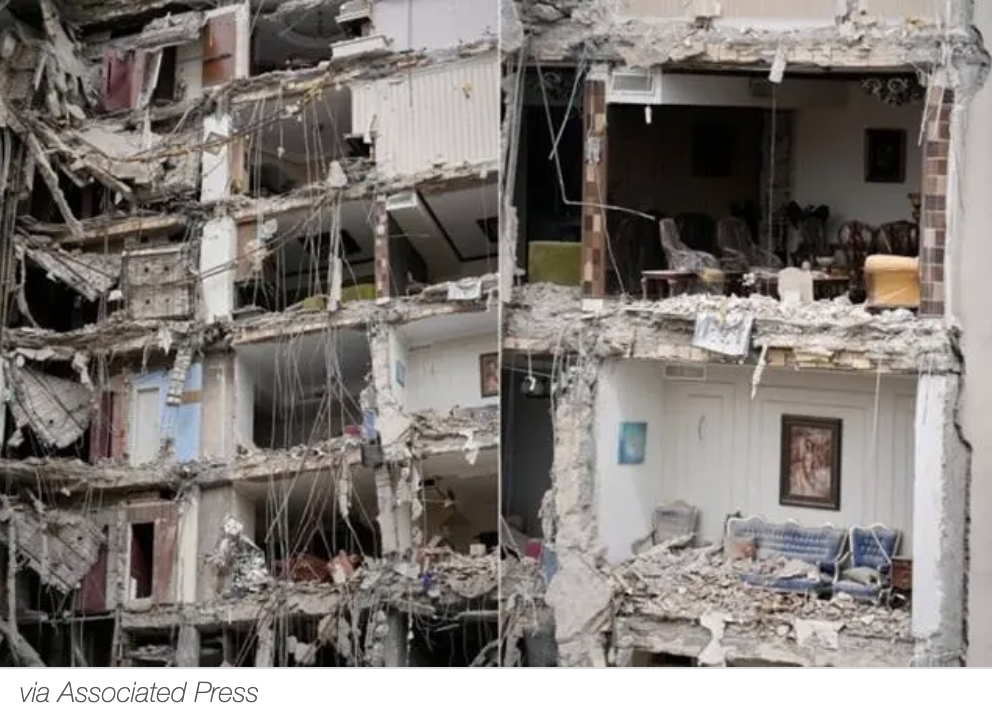
Israel and the United States have carried out strikes on several energy-related targets in Iran, including a gas pipeline and a distribution station in the regions of Isfahan and Khorramshahr. The attacks caused material damage, including to nearby residential buildings, but no injuries were reported. The strikes significantly heighten tensions and increase the risk of further escalation, as Iran has threatened retaliation against targets in the Gulf region if its energy infrastructure is hit. At the same time, Iran continued its missile attacks on Israel and published a list of potential targets in neighboring countries, while reports of mined waterways in the Strait of Hormuz further add to the strain.
US President Donald Trump stated that progress had been made in talks with Iran and postponed planned strikes on Iranian energy facilities by five days. Tehran, however, denied any negotiations and described such claims as inaccurate. While Washington continues to push for an agreement to limit Iran’s nuclear program and threatens additional military action if necessary, countries such as Russia and Pakistan are attempting to mediate. Israel, meanwhile, shows no willingness to de-escalate and continues its military operations.
Uncertainty over the conflict’s trajectory is having a clear impact on the global economy. The International Energy Agency warns of severe consequences for global energy markets that could rival past oil crises. Shipping traffic through the strategically vital Strait of Hormuz has dropped sharply, while financial markets react sensitively to shifting political signals. Despite occasional signs of easing, the situation remains tense, as conflicting statements and ongoing hostilities continue to hinder any lasting stabilization.