

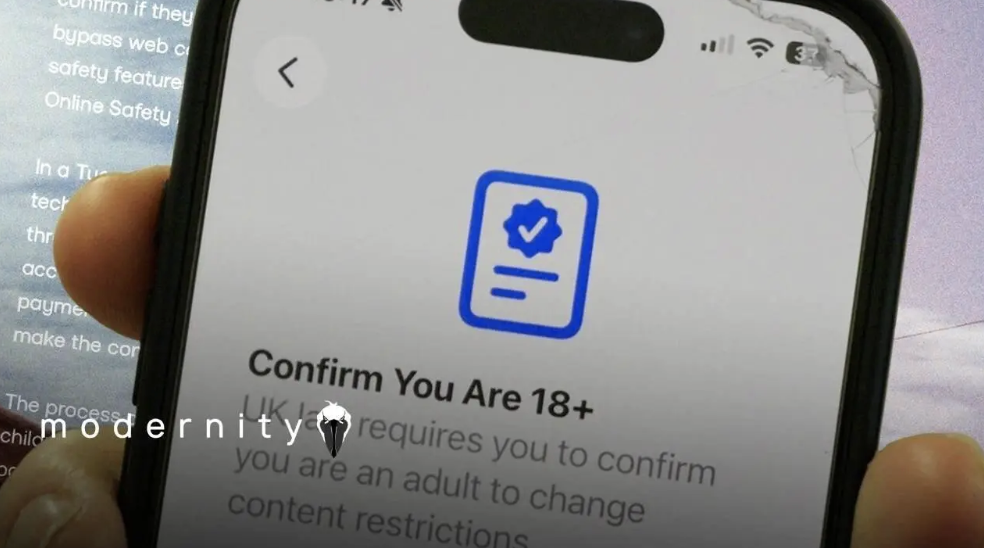
With the update to iOS 26.4, users of iPhones and iPads in the United Kingdom are required to verify their age in order to retain unrestricted access to the internet. Verification requires either providing credit card details or scanning identification documents. Otherwise, web content filters are automatically activated, limiting access to certain content. A notification informs users that UK law requires age confirmation to change content restrictions.
The regulatory authority Ofcom has welcomed the measure, describing it as progress for the protection of children and families. The United Kingdom is thus taking a leading role in introducing such restrictions on devices. Criticism has come from civil liberties organization Big Brother Watch. Its director argues that the measure interferes with the freedom to access information and use applications, as users are compelled to provide sensitive personal data.
According to critics, around 35 million users are affected, with their devices functionally restricted without age verification. The requirements are said to go beyond legal obligations and to be disproportionate. It is also argued that protecting children online should be achieved through better parental controls and responsible technology design, rather than comprehensive identity checks.
The measure is viewed in the context of a broader trend in which digital identity verification is increasingly expanded. Existing initiatives include digital identity systems and biometric tracking, which are also intended to control migration. At the same time, the government is testing restrictions on social media use for those under 16, including app bans, overnight blocks, and time limits.
Critics see this as a gradual normalization of comprehensive age verification that could later be extended to additional services. At the same time, reference is made to state influence on educational content, including programs encouraging the reporting of certain behaviors and campaigns aimed at raising awareness among young people about extremism.
Efforts to restrict social media use include pilot projects involving 300 teenagers, testing measures such as app deactivation, overnight restrictions, and daily usage limits of one hour.
Source: ZeroHedge