

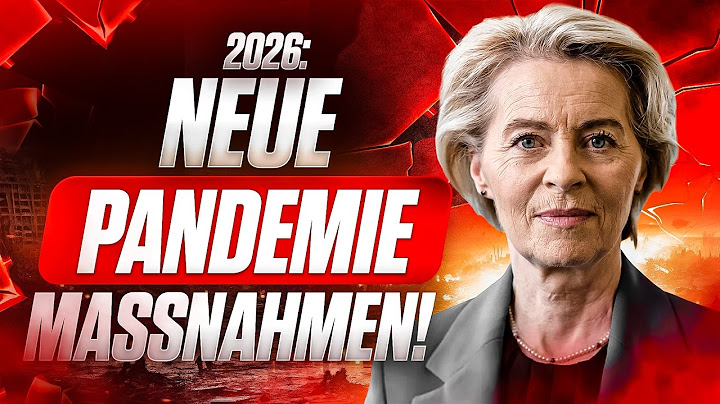
Preparations for possible future pandemics are currently being intensified in Europe, even though there is no acute emergency at present. These include new regulations for package travel that allow for easier and faster cancellations in crisis situations—even when problems arise at the point of departure. The aim is to improve consumer protection, for example through quicker refunds and enhanced insolvency protection for travelers. At the same time, these measures are to be implemented in the short term and permanently integrated into existing structures.
At the same time, international health regulations have been adjusted to strengthen cooperation between countries. Planned measures include faster reporting systems, increased data exchange, and coordinated responses to global health threats. National governments formally retain decision-making authority but tend to align with international guidelines. Existing frameworks from the COVID-19 period, such as vaccination and prevention regulations, remain in force and form the basis for future measures.
In addition, recommendations for dealing with infectious diseases continue to apply. These include vaccination recommendations for risk groups, booster shots, testing in case of symptoms, and general protective measures such as hygiene, distancing, and masks in sensitive areas. Overall, a system is emerging that maintains existing structures, is more internationally coordinated, and can be quickly activated in the event of a crisis without the need to establish extensive new measures.