

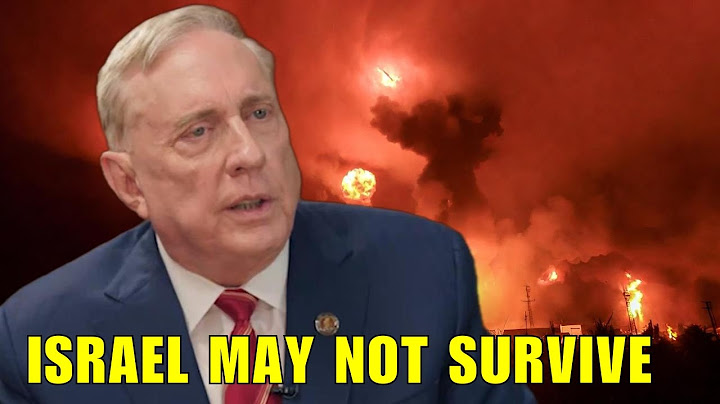
On the third day of the war between Israel and Iran, the conflict has rapidly escalated into a regional war. Iranian attacks have targeted at least 27 military sites as well as ports and infrastructure across the Middle East, from Turkey to the Gulf region. Civilian facilities such as airports and key economic hubs have also been hit, leading to major disruptions in international trade. The United Arab Emirates has been particularly affected, with millions of foreign workers and business owners stranded. At the same time, oil prices are rising sharply, with expectations of exceeding $100 per barrel, while attacks on refineries—especially in Saudi Arabia—are further threatening energy supplies. The conflict is thus already having immediate global economic repercussions, impacting regions such as Europe, India, and East Asia alike.
Militarily, it is becoming clear that the war will not be decided quickly as initially expected. Despite early tactical successes by the United States and Israel, including targeted killings of key figures, a strategic breakthrough has not materialized. Iran possesses extensive and dispersed military capabilities, advanced missile technology, and large stockpiles that are difficult to neutralize. Meanwhile, the United States and its allies are coming under increasing logistical strain, as supply routes are disrupted and ammunition stocks are limited. The ability to intercept incoming missiles is constrained, particularly against fast or complex systems. The conflict is therefore evolving into a prolonged confrontation in which Iran gains strength primarily through endurance, while the United States and Israel risk becoming militarily and politically exhausted.
Geopolitically, a far-reaching shift is emerging. The role of the United States in the Middle East is increasingly being called into question, while other actors such as Russia, China, and India could gain influence, including as potential mediators. At the same time, pressure on the American presence in the region is growing, as several states seek its withdrawal. The economic consequences—including rising energy prices, strain on major economies, and the risk of financial market crises—are intensifying global uncertainty. A resolution to the conflict is not in sight in the short term, as Iran has no incentive to de-escalate and the United States has yet to demonstrate a clear strategy. Overall, developments point toward the end of the existing power order in the Middle East and a long-term weakening of American dominance.