

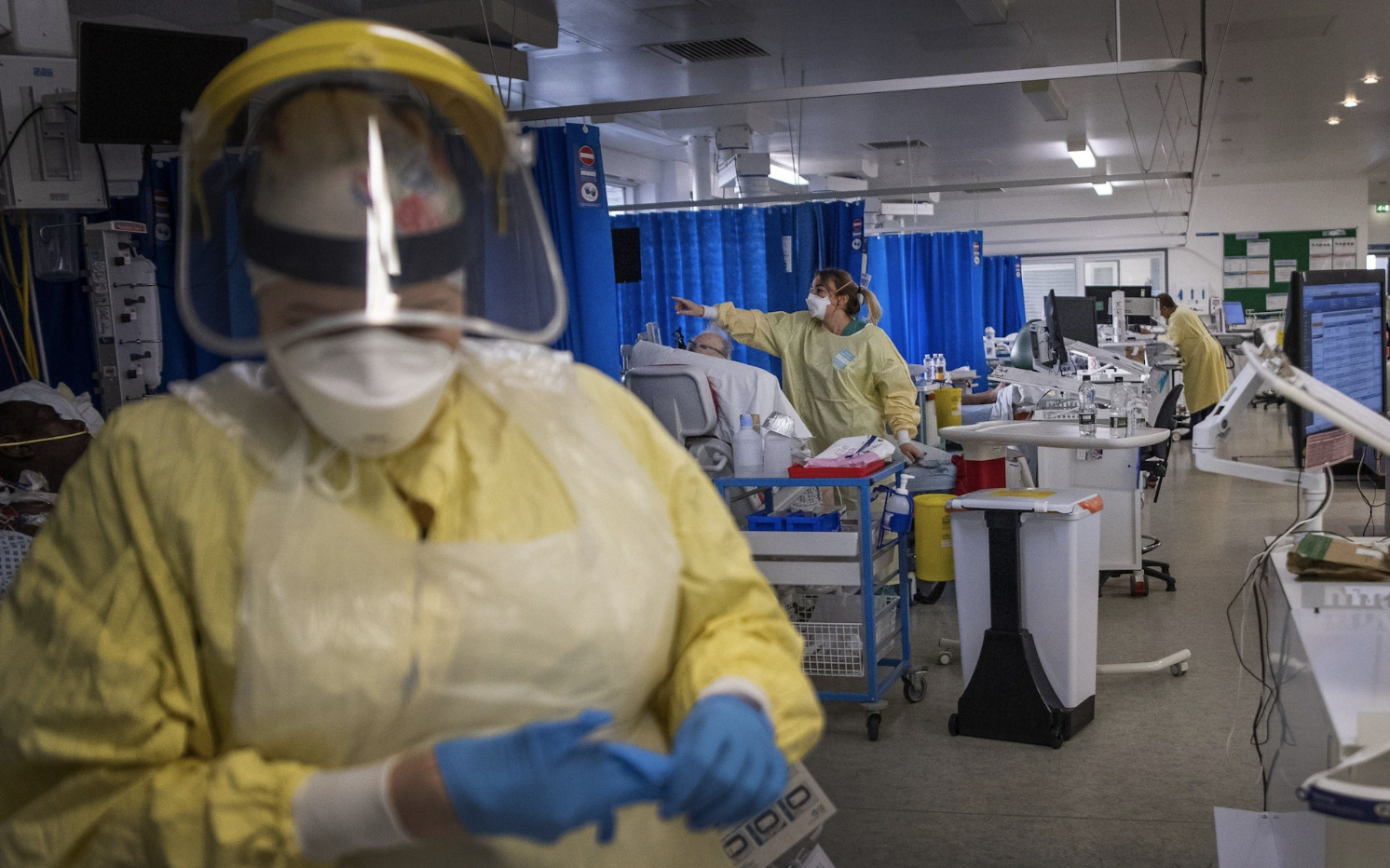
The United Kingdom is planning to invest around £1 billion as part of a new pandemic strategy to prepare for future health crises. The government assumes that another pandemic is inevitable, but that it will differ in nature from previous outbreaks. Preparedness measures are therefore intended to remain flexible.
A central component of the strategy is the development of a new contact tracing system to be operated by the UK Health Security Agency. This system will use real-time location data and artificial intelligence to detect chains of infection more quickly and enable large-scale alerts. It is expected to be ready for deployment by 2030, with potential cooperation with major technology companies also under consideration. At the same time, the government will begin building strategic stockpiles of personal protective equipment.
The plan also includes new legislation called the “All Pandemics Hazard Bill,” designed to enable flexible measures in emergency situations. It will follow a modular approach, allowing different actions to be implemented rapidly depending on the type and spread of a disease. The draft legislation is scheduled for completion by March 2027.
This strategy represents the first comprehensive pandemic plan since 2011. Unlike the previous plan, which focused primarily on influenza, it addresses all major routes of infectious disease transmission, including respiratory, oral, bloodborne, sexual, and contact-based spread. The earlier plan faced strong criticism following the Covid-19 pandemic for being inadequate and leaving the country unprepared.
Another key focus is preventing pathogens from entering the country. In the future, the health authority, the Home Office, and the Department for Transport will work more closely together to strengthen health controls at points of entry such as airports and ports. This approach aligns the UK more closely with strategies used by several Asian countries that emphasize border controls, testing, and quarantine.
To strengthen research and development, £250 million will be invested in a new biosecurity centre in Harlow, England. The facility will focus on dangerous pathogens as well as the development of vaccines and medicines and is expected to be operational by 2038. In addition, domestic vaccine production will be expanded to ensure that vaccines can be delivered within 100 days of a pandemic outbreak. As part of this effort, the government will continue its partnership with the US pharmaceutical company Moderna, which is building a production facility in Oxfordshire with the capacity to produce up to 250 million doses per year.
The measures are based in part on a large-scale pandemic exercise conducted the previous year, which simulated the spread of a novel pathogen. They also reflect lessons learned from the Covid-19 inquiry, which criticized the government for responding too late and inadequately. Overall, the new strategy is intended to significantly improve preparedness and reduce the health, economic, and social impacts of future pandemics.
Source: The Telegraph