

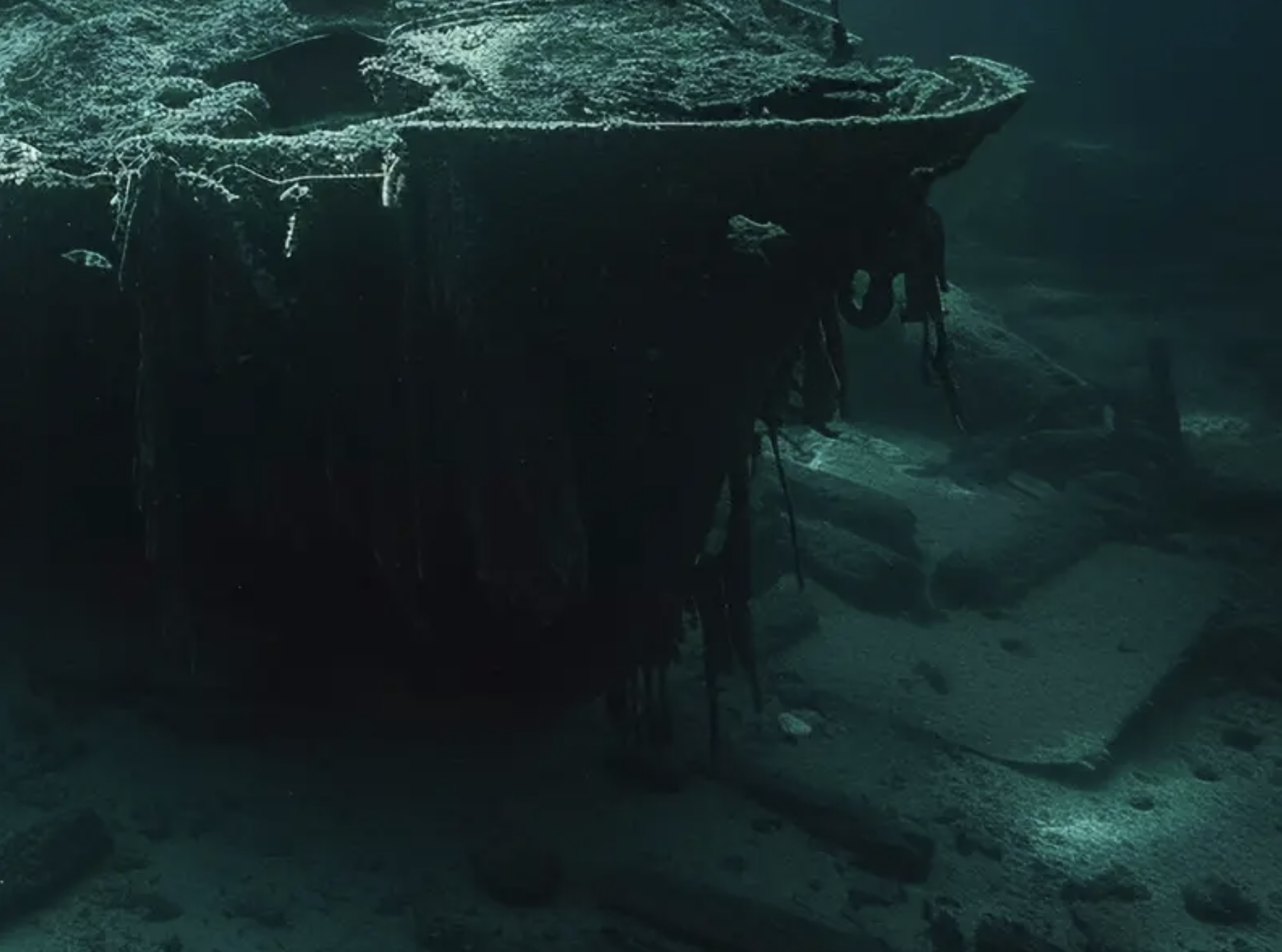
The Soviet nuclear submarine Komsomolets (K-278), which sank in the Norwegian Sea in 1989 after a fire, continues to release radioactive substances at a depth of around 1,680 meters. Forty-two crew members lost their lives in the accident. The wreck contains a nuclear reactor as well as two nuclear torpedoes. However, investigations indicate that the escaping radioactivity is currently not causing any measurable damage to the marine environment.
Following the sinking, the Soviet Union regularly monitored the wreck using manned submersibles. After the collapse of the USSR, Russia continued these inspections. In the mid-1990s, it was discovered that parts of the nuclear armament had been exposed to seawater. The affected torpedo tubes and other damaged areas were then sealed with titanium plates.
In 2019, Norwegian researchers analyzed water samples and data collected on site using remotely operated submersibles. They found that radioactive material was leaking from a ventilation pipe and a metal structure. Isotope analyses confirmed that the emissions originate from the reactor of the wreck and that the nuclear fuel is corroding. There was no evidence of plutonium leaking from the warheads.
The released radioactive substances are rapidly diluted in seawater. Measurements showed no harmful effects on the environment. The sealing measures implemented in the 1990s are still considered effective and appear to be preventing major contamination.
Source: WION