

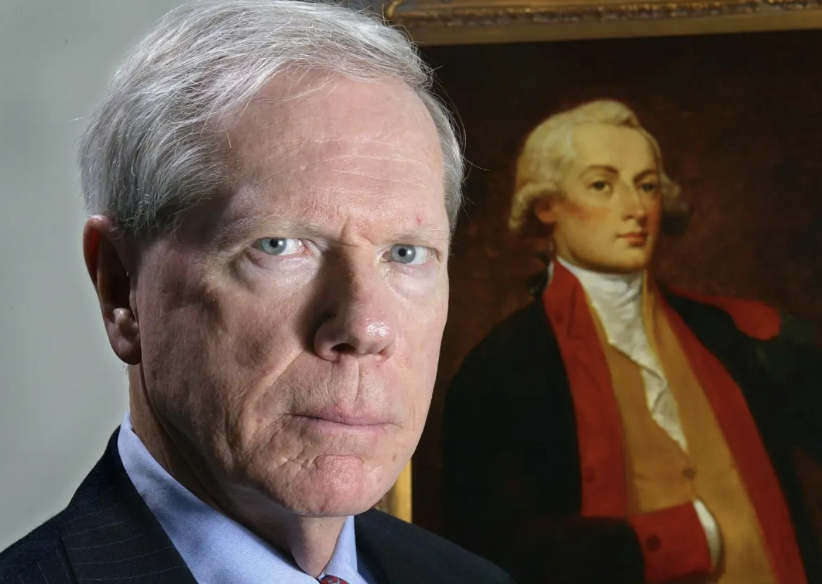
Analysis by Paul Craig Roberts:
The military escalation in the Middle East is portrayed as part of a long-term strategy in which the United States has intervened in multiple conflicts since the beginning of the 21st century. In the process, countries such as Iraq, Libya, and Syria have been destabilized. The current conflict with Iran is developing differently than expected: instead of a swift success, the United States and Israel are encountering significant resistance. Iranian counterattacks have damaged U.S. military facilities and increasingly strained Israel’s defensive capabilities. At the same time, uncertainty is growing among allies in the Gulf region, some of whom are reportedly questioning the presence of American troops.
The military situation is considered tense. The United States is struggling to provide sufficient resources and has sought support from international partners, so far without success. Strategic options appear limited and risky, while domestic political pressure on the leadership in both the United States and Israel is increasing. In this context, the possibility of further escalation, including the use of nuclear weapons, is described as a danger. At the same time, Iran could attempt to buy time through negotiations in order to further strengthen its position.
In the long term, the conflict could have far-reaching consequences. These include a potential weakening of American and Israeli influence in the Middle East, as well as an accelerated proliferation of nuclear weapons. In addition, there is the prospect of a shift toward a multipolar world order in which other major powers act more assertively. Ultimately, the outcome will depend on whether political leaders adapt their strategies to changing realities or continue to adhere to their previous objectives.
Source: Paul Craig Roberts