

The Iranian island of Qeshm has transformed from a tourist destination into a strategically significant military site. Beneath its surface lies an extensive network of underground facilities, described as “missile cities,” housing military infrastructure such as missiles, fast attack boats, and coastal defense systems. Due to its location at the Strait of Hormuz—through which around one-fifth of the world’s oil supply passes—the island holds critical importance for controlling global trade routes. Experts describe it as an “unsinkable aircraft carrier” that enables Iran to influence or, if necessary, block maritime traffic.
Tensions in the region have escalated recently. Following Iranian threats, shipping traffic has been restricted, affecting the global oil flow. In early March, US airstrikes hit a desalination plant on the island, disrupting freshwater supplies to numerous villages. Iran strongly condemned the attack and responded with retaliatory strikes against US positions in Bahrain. For the island’s approximately 148,000 residents, daily life has become increasingly uncertain as they find themselves caught between military conflict and their sea-based livelihoods.
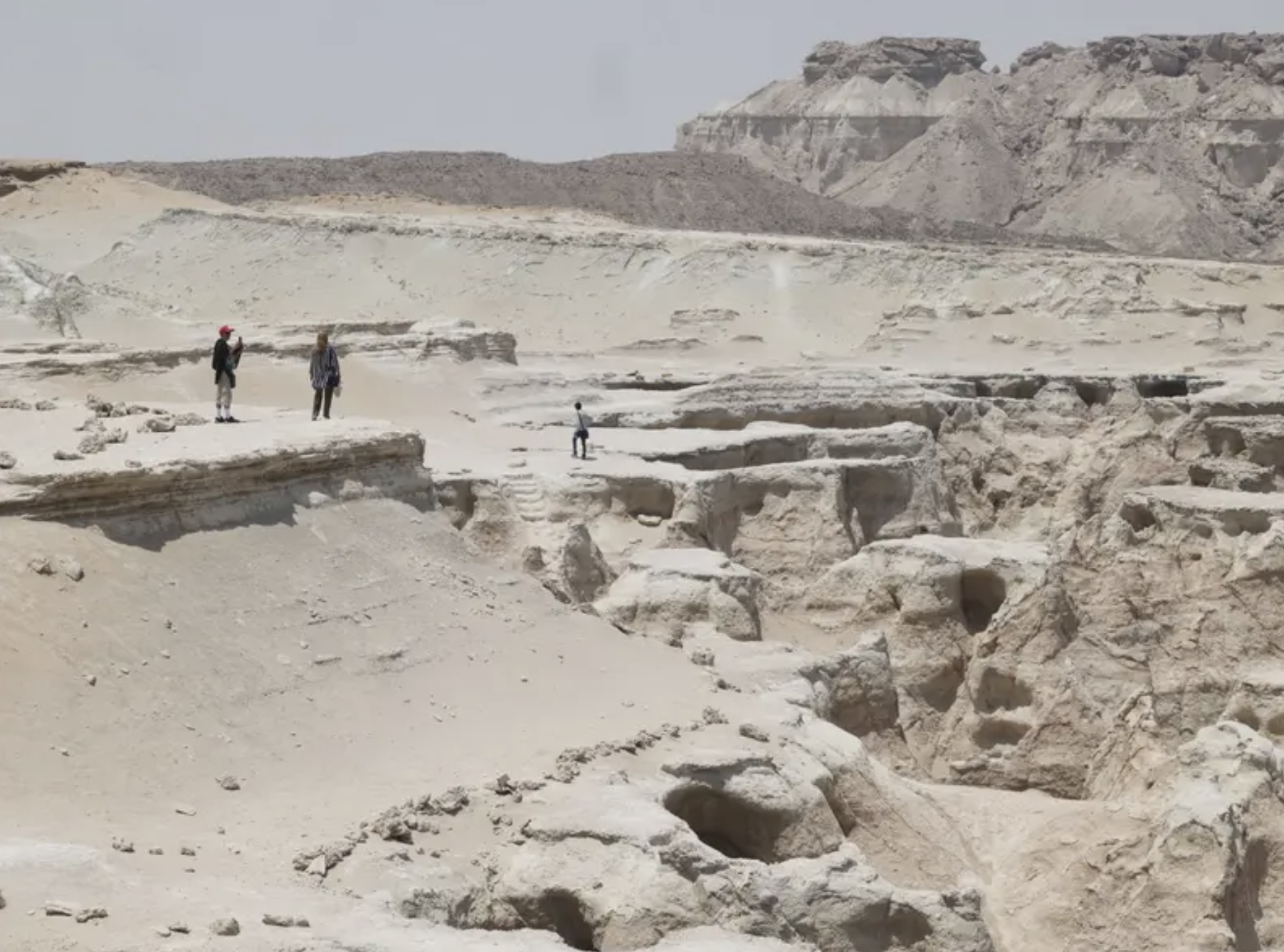
Beyond its current geopolitical role, Qeshm has a long and contested history. Over centuries, the island has been controlled by various powers, including the Ottomans, the Portuguese, and later British and Persian forces. At the same time, it remains known for its remarkable natural formations, such as the Valley of Stars, the Namakdan Salt Cave, and the Chahkooh Canyon, which continue to attract visitors and highlight the island’s geological significance.
Source: WION