

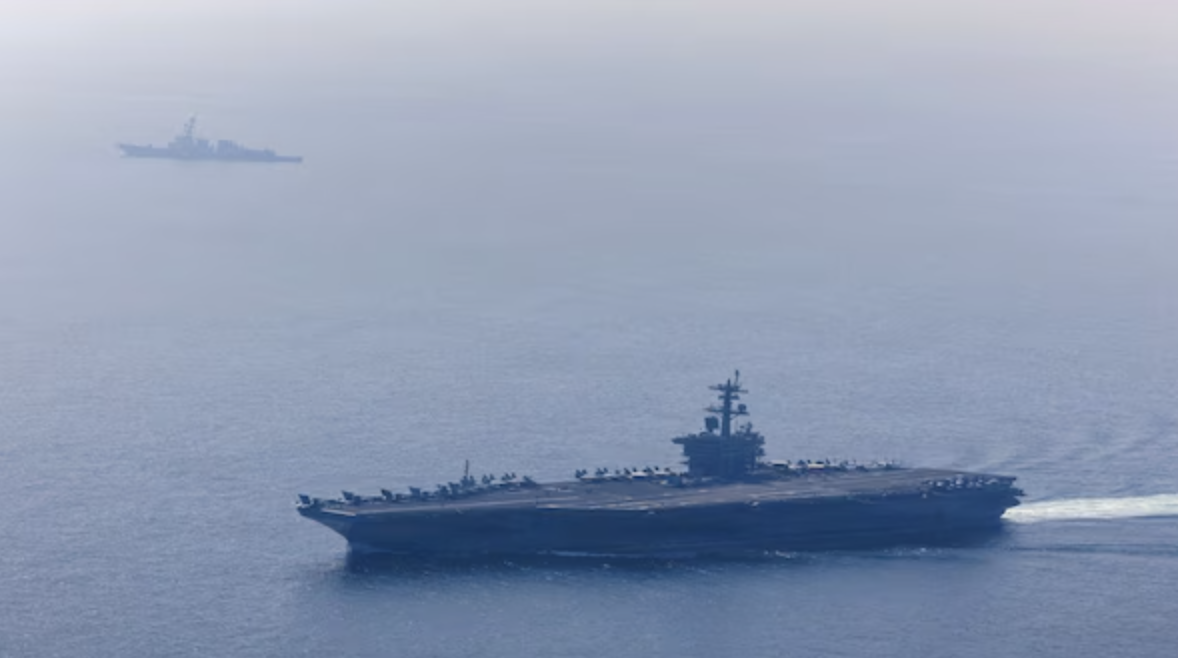
Iran fired cruise missiles at the US aircraft carrier group led by the USS Abraham Lincoln, further intensifying military escalation in the Middle East. The conflict, which began in late February with joint US and Israeli airstrikes on Iran, has spread across multiple countries in the region, including Israel, Lebanon, and several Gulf states. Iran stated that the attack forced the US fleet to change position, while Israel reported its own strikes on targets in Tehran and military facilities in Isfahan. Israeli warplanes also struck Hezbollah positions in Beirut, causing extensive destruction. In Lebanon, more than 1,000 people have been killed and over one million displaced since the fighting began.
Alongside the ongoing hostilities, covert diplomatic efforts are underway to bring the war to an end. Public statements from both sides remain contradictory: US President Donald Trump has pointed to progress and a proposed peace plan, while Tehran denies that any direct or indirect negotiations are taking place. Nevertheless, diplomatic sources report indirect contacts via mediators transmitting messages between the opposing sides. At the same time, public rhetoric remains confrontational, with both sides emphasizing their military resolve.
The economic consequences of the conflict are being felt worldwide. Particular attention is focused on the Strait of Hormuz, a key route for global oil shipments. Iran has guaranteed safe passage for neutral vessels but excluded ships belonging to the United States and Israel. Fluctuations in oil prices and concerns over supply disruptions are already having global effects, including rising energy costs and conservation measures in several countries. International organizations are considering further steps to mitigate potential shortages in energy markets.
Source: Firstpost