

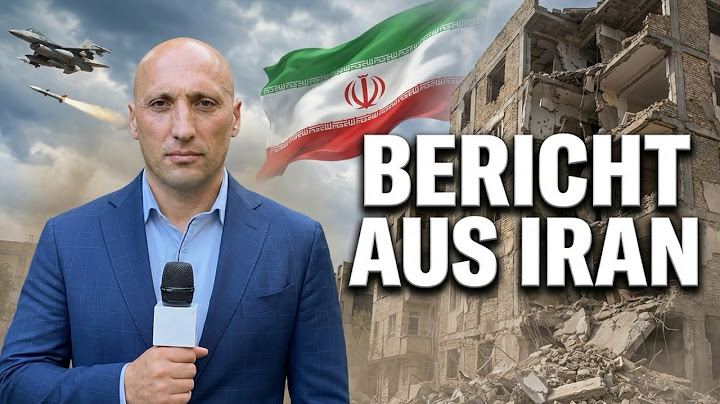
A reporting team traveled from the Turkish border to the northern Iranian metropolis of Tabriz, where it documented the consequences of airstrikes attributed to the United States and Israel. On site, destroyed residential buildings and other civilian facilities were inspected, and interviews were conducted with victims and emergency responders. Tabriz is considered one of Iran’s largest cities and remained relatively calm during the nationwide protests in January, which residents attribute to a historically rooted rejection of the former monarchy. In the affected neighborhoods, different social groups live closely together, and there is no separation between military and civilian areas.
The investigation focused on a residential building that was destroyed in an attack. A father and his two sons, aged three and thirteen, were killed, while the mother survived with injuries. She described a nighttime explosion that caused the building to collapse and buried her family under the rubble. Rescue workers reported difficult recovery operations under intense time pressure and emotional strain. Overall, thousands of buildings in the region are said to have been damaged or destroyed, a significant portion of them beyond repair. Dozens of people, including children, have reportedly been killed.
Additional strikes hit, among other targets, a municipal waste collection site where one worker was killed and several others injured, as well as the nearby town of Azarshahr, where a postal worker was killed. Relatives of the victims expressed grief but also called for retaliation. During the stay, further explosions and air raid alerts occurred in Tabriz. Despite the tense situation, large crowds later gathered for New Year celebrations, during which political slogans against the United States were chanted.