

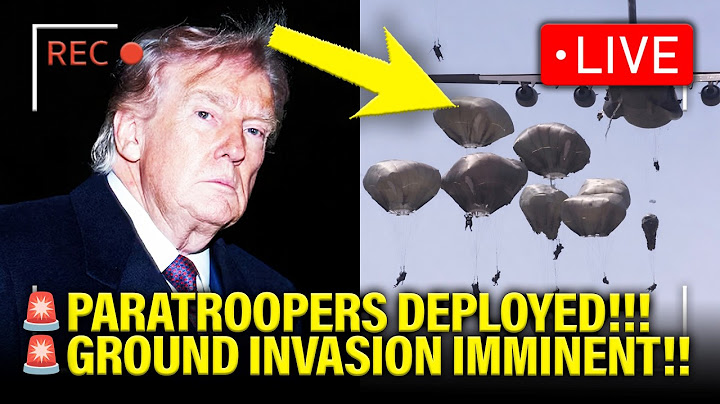
U.S. President Donald Trump stated at a press conference in the White House that Iran had given the United States a “very valuable gift” related to oil and gas, without providing further details. Earlier, he had suggested plans to establish a form of economic cooperation with the Iranian leadership to jointly control the Strait of Hormuz. At the same time, members of his administration emphasized a hard military stance, saying negotiations would be conducted “with bombs.” Iran responded with mockery on social media and rejected proposals for cooperation. Observers report that Tehran sees itself economically strengthened by eased sanctions and sees no reason to make concessions.
Meanwhile, the military situation in the region continues to escalate. The United States and Israel carried out strikes on Iranian energy facilities, while Iran retaliated with attacks on targets in Israel and other countries. Despite military losses, Iran still possesses a substantial arsenal, including underground stockpiles of drones and missiles that are being used with increasing precision. Parts of Iran’s leadership have been replaced, with more hardline figures gaining influence. The Revolutionary Guard is expanding its power and consolidating a decentralized military structure. Mediation efforts by regional actors have so far shown no progress, as both sides maintain widely divergent demands.
At the same time, the United States is increasing its military presence in the Middle East and deploying additional troops, including units of the 82nd Airborne Division and naval forces. Several thousand soldiers are being positioned in the region. These developments are raising doubts about a near-term diplomatic resolution. While Washington describes Iran’s capabilities as weakened, reports from the region indicate that Iran continues to retain significant operational strength. The escalation is already having major impacts on regional security and the economy and could intensify further.