

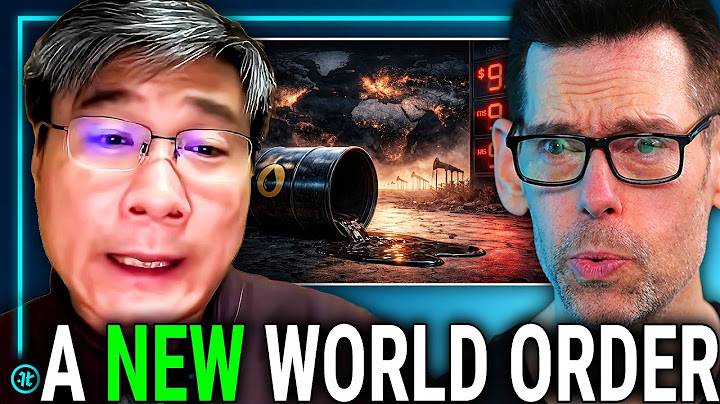
The existing international order established after World War II is described as already having collapsed. The globalized economy has long been based on access to cheap energy, particularly inexpensive oil, which has enabled production, agriculture, and technological processes. As access to these resources declines, the system is coming under increasing pressure. In the coming years, three key developments are emerging: a shift of economic activity from cities back to rural areas to ensure self-sufficiency, a strengthening of nation-states accompanied by increased rearmament for self-defense, and the formation of regional, largely self-sufficient economic blocs. Overall, this is leading to a fragmentation of the global economy and a move away from global integration.
Countries that successfully transition their economies from global dependence to national or regional structures are considered better adapted to these changes. Export-oriented economies face particular challenges, as they must fundamentally restructure if global trade declines. Nations with historical experience in major transformations may have an advantage in this process. At the same time, demographic change, with aging populations, is intensifying economic pressures in many industrialized countries and requires significant societal adjustments.
At the same time, a decline in global openness is being observed. Multicultural and open societal models, which were promoted after World War II to secure peace, are losing support. Instead, ideas of national identity, social cohesion, and state sovereignty are gaining importance. An excessive expansion of migration and diversity is interpreted as a potential strain on social stability. Additionally, increasing bureaucratization in Western countries is being criticized, as it is seen as intervening in the name of societal values and exacerbating tensions within society.