

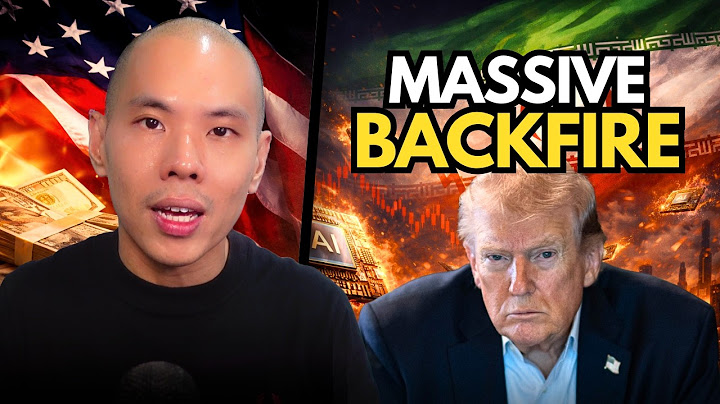
U.S. President Donald Trump has unexpectedly withdrawn a previously announced 48-hour deadline for strikes on Iranian power plants and postponed the decision by several days. While he speaks of productive talks, the Iranian side rejects this, stating there have been no contacts whatsoever and that the retreat was due to Iranian warnings. The conflicting accounts highlight a tense and difficult-to-assess situation. At the same time, the Strait of Hormuz remains blocked, further increasing uncertainty in the markets.
Economic constraints are at the center of these developments. Rising yields in the U.S. bond market, falling stock prices, and increasing financing costs are putting pressure on the government. Observers see this as a key factor behind the policy shift, as further escalation would significantly increase the already high national debt. Financing a larger military engagement is considered difficult, as additional spending would have to be covered by new debt, risking a worsening fiscal situation. At the same time, confidence among international investors is declining, with some major players considering reducing their exposure to U.S. assets.
In addition, the conflict has far-reaching consequences for global supply chains and the technology sector. The blockage of key trade routes in the Middle East is driving up raw material costs and disrupting the supply of essential materials for semiconductor production, including helium. This particularly affects Asian manufacturers and increases costs for U.S. tech companies. While American firms face rising expenses and uncertainty, China could benefit from the situation by strengthening its position in key industries and expanding its competitive advantages.