

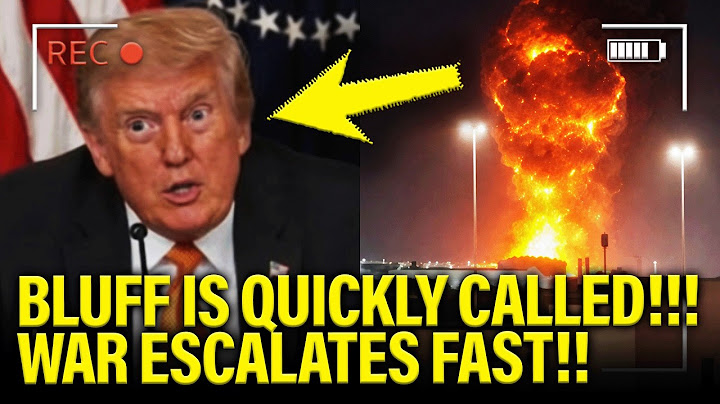
Tensions between the United States and Iran have intensified further after an alleged agreement on peace talks announced by U.S. President Donald Trump was promptly denied by Iranian officials. Tehran stated that there had been neither direct nor indirect contacts with Washington and described the claim as part of psychological warfare. At the same time, the United States is expanding its military presence in the Middle East, including the deployment of thousands of soldiers, Marines, paratroopers, and amphibious units. Iran emphasizes that it is prepared for possible escalation and sees itself in a strategic advantage, particularly due to its control of the Strait of Hormuz.
The military situation escalated further with airstrikes by the United States and Israel on Iranian energy and infrastructure targets, including facilities in Isfahan and other cities. Gas pipelines and supply installations were among the sites hit, leading to power outages; according to reports, an employee of a meteorological facility was also killed. Iran subsequently announced comprehensive countermeasures and launched attacks on targets in the region, including energy infrastructure in Kuwait as well as targets in Israel. These strikes are part of an ongoing retaliation strategy, while the conflict is increasingly spreading across multiple countries in the Middle East.
The economic impact is also becoming evident: oil prices have risen again above 100 U.S. dollars per barrel after hopes for a diplomatic solution faded. At the same time, suspected market movements ahead of political statements are adding further uncertainty. Supplies of liquefied natural gas and other key resources are coming under pressure, contributing to rising global prices and potential shortages. In addition, geopolitical tensions are straining trade relations, for example through threats directed at European partners in the energy sector. Overall, developments point to continued escalation with no immediate prospect of de-escalation.