

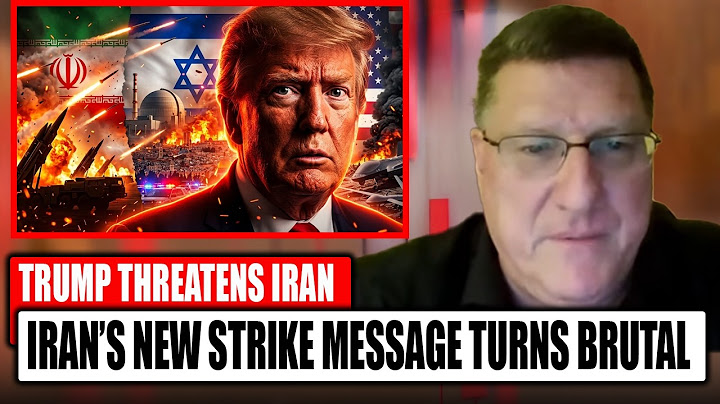
A suspected Iranian missile strike hit a residential building near strategically important facilities in Israel and is interpreted as a deliberate show of force. The background is a prior attack on an Iranian nuclear facility, which Tehran regards as a provocation. The impact is seen as a signal that Iran is capable of reaching heavily protected targets and overcoming Israeli defense systems. Observers view this as a conscious escalation that goes beyond purely military targets and also includes civilian infrastructure. Both sides are increasingly caught in a spiral of mutual retaliation, in which civilian casualties and damage to essential services are accepted.
As the escalation continues, critical infrastructure such as water, energy, and supply systems is increasingly becoming the focus of potential attacks. Israel is considered vulnerable due to limited resources and centralized supply structures. Scenarios involving the large-scale destruction of this infrastructure suggest that the country could become uninhabitable in the long term, as disruptions to water and energy supplies would trigger mass displacement. At the same time, the role of regional actors and external powers is being critically assessed as the conflict threatens to spread to other parts of the Middle East.
At the same time, there are growing indications of a withdrawal of international forces from the region, particularly from Iraq, which is seen as a sign of strategic realignment. Discussions about possible U.S. military interventions, such as taking control of strategic locations, are met with significant doubts regarding their feasibility and risks. Experts point to logistical challenges, the danger of high casualties, and the potential for a prolonged war of attrition. Against the backdrop of economic strain and rising energy prices, pressure is also increasing on political leaders to find a diplomatic solution. A possible mediating role for Russia is being considered as an approach to easing both the conflict with Iran and broader geopolitical tensions.