

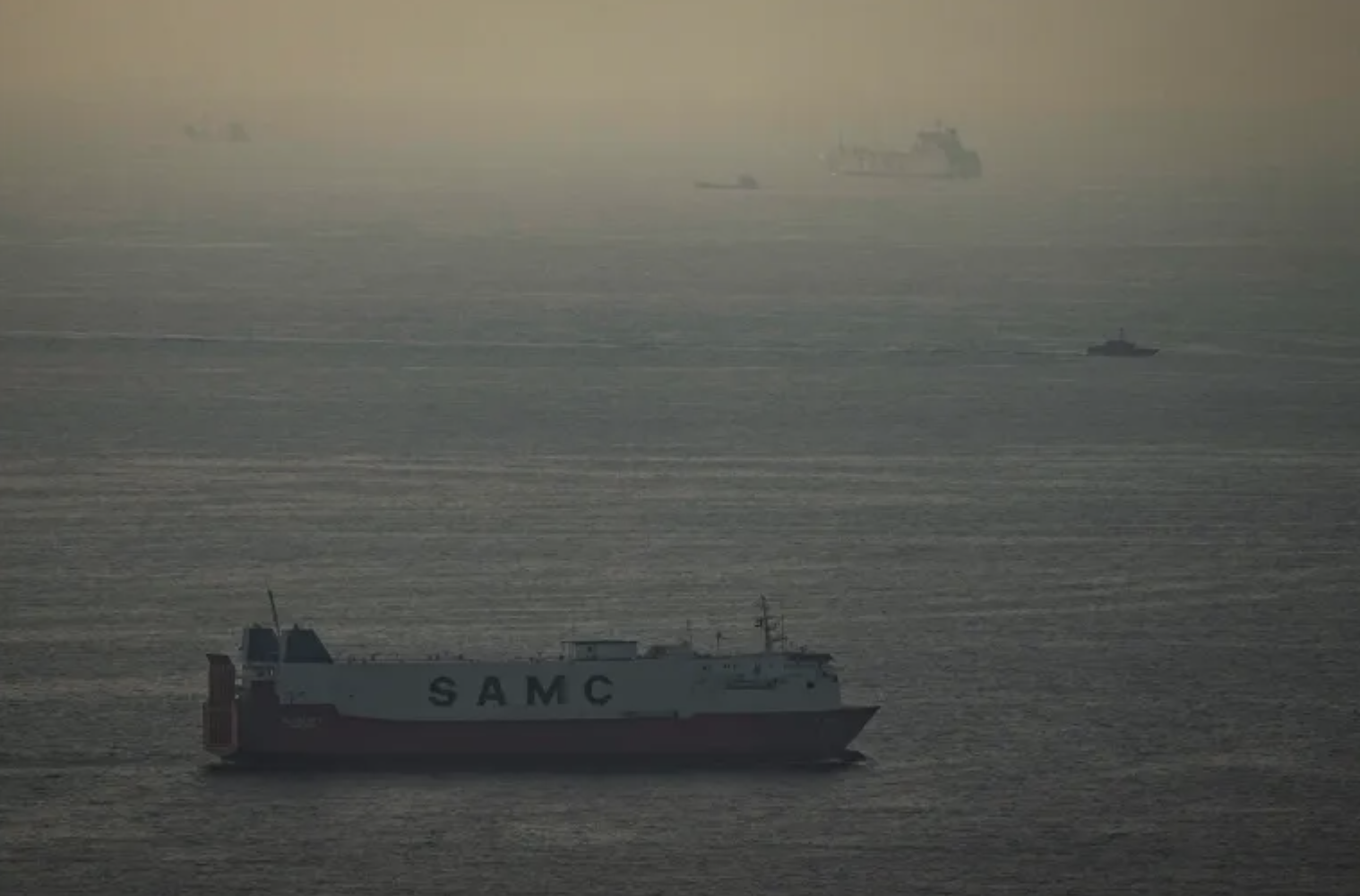
Iran has stated that “non-hostile” vessels can continue to pass safely through the Strait of Hormuz, provided they do not support aggressive actions against the country and comply with established safety regulations. Transit is to take place in coordination with Iranian authorities, although specific requirements remain unclear. The strait is a key route for around one-fifth of global oil and liquefied natural gas supplies.
Despite these assurances, maritime traffic has dropped sharply since the outbreak of war between the United States, Israel, and Iran at the end of February. Instead of around 120 daily transits previously, only a handful of ships have recently been recorded. Earlier uncertainty had led Iran to warn that vessels attempting passage could be targeted, while Tehran now maintains that the route remains open in principle—except for hostile actors.
The collapse in shipping has triggered a severe energy crisis and driven oil prices significantly higher. Analysts warn that prices could rise to as much as $200 per barrel if the disruption continues. At the same time, reports of possible negotiations to end the conflict have eased market tensions: oil prices have fallen, and major Asian stock markets have posted gains.
Source: Al Jazeera