

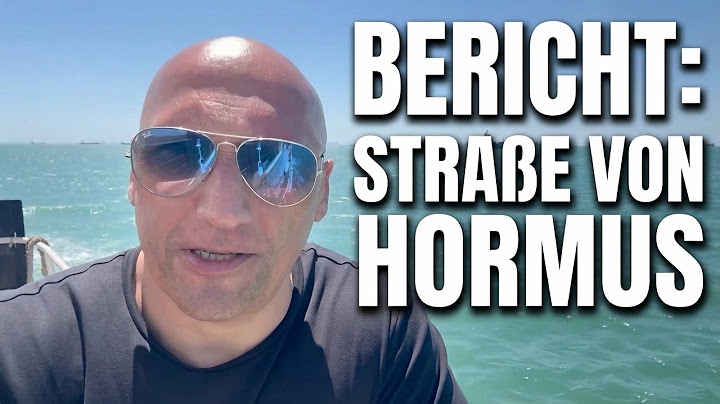
On March 29, 2026, Dimitri Lascares reports from Bandar Abbas, Iran, on a planned boat trip into the Strait of Hormuz, which was originally also meant to include visits to the islands of Hormuz and Qeshm (described as the largest island in the Persian Gulf). After a conversation the previous evening with the provincial governor, the crossing initially seemed possible, but in the morning the team was told that port facilities on Hormuz had been attacked by drones overnight. Instead of landing, they were therefore to make only a short trip out on the water and then return to the mainland.
Lascares describes a series of dangerous incidents over recent days: In Bushehr, places the team had visited were reportedly bombed again later, including a destroyed weather station and a hotel nearby shortly after the crew had left it. In Minab, the group visited a small school that had previously been hit by a missile; 168 people were killed, and the location was bombed again just minutes after they departed. On the way between Bandar Abbas and Minab, the team also saw the remains of a destroyed antenna installation and, while there, heard a sound that resembled a drone strike; for security reasons, phones were left behind, and the return trip took place via detours in changing vehicles.
On the water, details are given about the strait’s strategic importance: the Strait of Hormuz is said to be about 30 to 33 kilometers wide, but the usable shipping route only about three kilometers, with two lanes—one near Iran and one near Oman. It is explained that roughly 20 percent of the world’s oil and large volumes of LNG, mainly from Qatar, pass through this route; Iran is said to have maintained control of the strait after 30 days of war and to allow passage for “allies” and uninvolved states, while it remains closed for the U.S., Israel, and certain allies for the time being. Several dozen ships were said to be visible off the coast, and later a rough count was given of 90 visible oil tankers and cargo ships, some heading north and others south.