

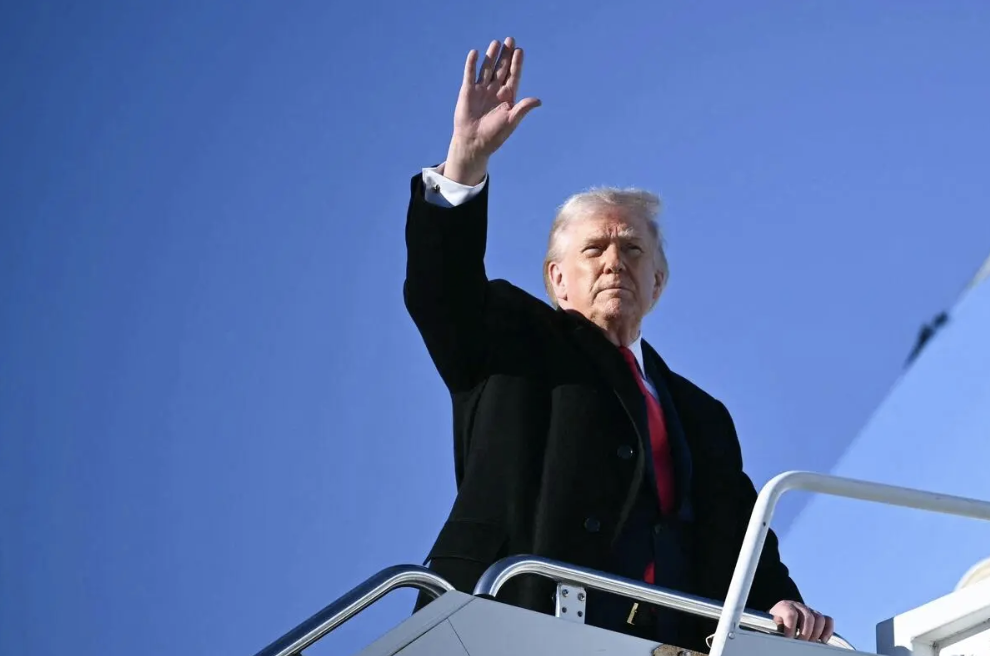
U.S. President Donald Trump suggested during an appearance on March 27, 2026, at the Future Investment Initiative summit in Miami Beach, Florida, that the United States could potentially take military action against Cuba. He said he had built a “great military” that would ideally never have to be used, then added that Cuba was “next,” urged the audience to pretend he had not said it, and repeated: “Cuba’s next.”
The U.S. administration has increased economic pressure on the communist-run island and in recent weeks has opened talks with elements of Cuba’s leadership. Cuban leader Miguel Díaz-Canel confirmed contacts with the U.S. military aimed at averting a possible military confrontation. He said the purpose was to gauge both sides’ willingness to take concrete steps “for the benefit of the people of both countries,” after Cuba announced it would release 51 prisoners.
Cuba’s strained economic situation has been linked to disruptions in oil imports, which the country relies on to run power plants and transportation. Venezuela had previously supplied much of Cuba’s oil needs, but after a U.S. operation to capture then–Venezuelan regime leader Nicolás Maduro in January 2026, Caracas’s new government ended those shipments. Trump said in early March that Cuba could be subject to a “friendly takeover,” then added it might not be friendly, and said outside the White House in February 2026 that Cuba had “no money” and “no anything right now.”
Trump also said he would turn his attention to Cuba once the U.S. military operation in Iran is concluded. In remarks on March 6, 2026, he said multiple efforts could be pursued at the same time, but warned that moving too fast could lead to “bad things.”
The United States and Cuba have been adversaries for decades, with intermittent periods of engagement. The United States has maintained a trade embargo against Cuba for decades, barring American businesses from dealing with Cuban interests, in part because the country hosted Soviet-made nuclear missiles during the 1962 Cuban Missile Crisis. Díaz-Canel, 65, became Cuba’s leader in 2021 after Raúl Castro, then 89, resigned; Fidel Castro led the regime from 1959 to 2008 and died in 2016.
Maduro was taken to the United States during the January 2026 operation and faces federal drug-related charges. At an initial court hearing in January, Maduro and his wife, Cilia Flores, pleaded not guilty, and in February 2026 the U.S. Treasury Department issued a license for the exploration, development, and production of oil and gas reserves in Venezuela.
Source: Zerohedge