

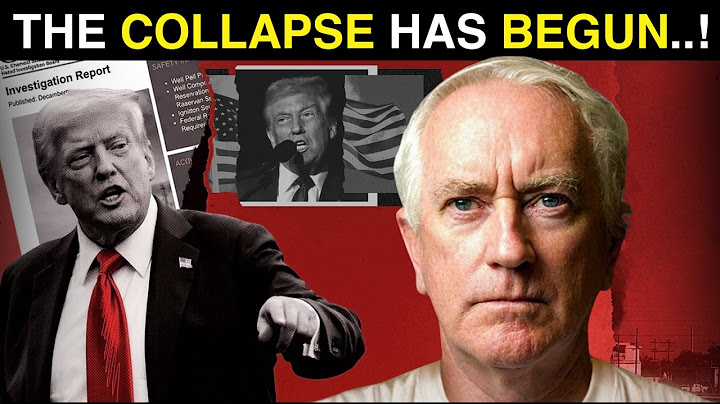
The aggressive foreign policy of Donald Trump’s administration toward Iran is described as the most risky undertaking of his presidency. Despite repeated announcements not to start wars but to end existing conflicts, military actions followed within a short period, including an intervention in Venezuela and an attack on Iran. The justification given was an allegedly imminent attack by Iran, although no immediate threat could be substantiated and previous measures against Iranian nuclear facilities had already been carried out. The military escalation did not lead to a de-escalation of the situation; instead, further tensions were triggered after an attack on the Iranian leadership.
Domestic developments in the United States are shaped by economic and social tensions. Rising oil prices as a result of geopolitical conflicts place a burden particularly on the middle and lower classes, while energy companies benefit. At the same time, political decision-making is strongly influenced by financially powerful interest groups such as the financial sector, the military, and the fossil fuel industry. Many voters, including former supporters of the Democrats, turned to Trump after neoliberal reforms had led to deindustrialization and growing inequality. The political system, with its dominance of two parties, makes fundamental change more difficult and limits the population’s ability to exert influence.
On a global level, the economic dominance of the United States is increasingly coming under pressure. The role of the US dollar as the central global currency, which has existed since the Bretton Woods Agreement, is losing importance as more and more countries develop alternative trade mechanisms. At the same time, factors such as rising oil prices, a possible correction in the field of artificial intelligence, and extensive government military spending are increasing the risk of an economic downturn in the United States. A recession is considered likely under these conditions.