

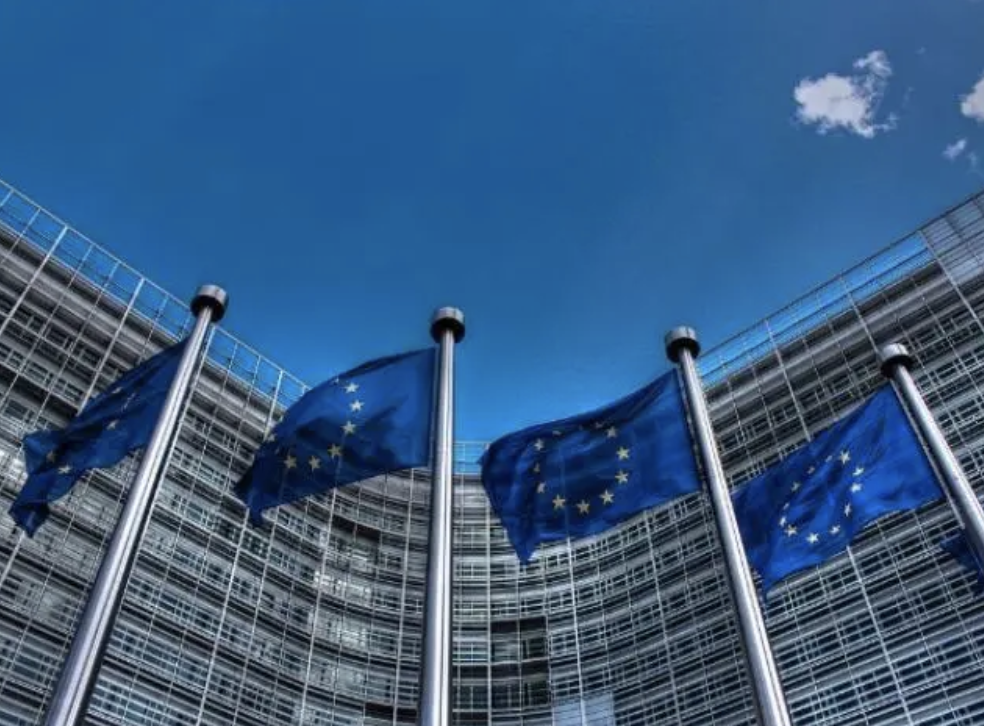
The European Union continues to financially support Ukraine’s state structures despite the country not being a member and despite opposition from member states such as Hungary and Slovakia. At the same time, NATO, also without Ukrainian membership, continues to supply money and weapons to the government in Kyiv. NATO Secretary General Mark Rutte has repeatedly emphasized the continuation of this support. According to Ukrainian Defense Minister Mykhailo Fedorov, there are more than two million draft evaders as well as around 250,000 active-duty soldiers absent without leave.
At the same time, reports indicate that Ukraine relies heavily on forced conscription. While the EU and NATO oppose Russian authoritarianism, both organizations have responded comparatively cautiously to incidents affecting member states. This includes the sabotage of the Nord Stream pipelines, in which European companies hold stakes. German investigations identified several Ukrainian suspects, and journalistic inquiries have concluded that Ukrainian military forces may have been involved. The destruction of the pipelines eliminated low-cost gas supplies that previously accounted for about 45 percent of EU imports and contributed to rising energy prices.
The Druzhba pipeline, which transports Russian oil to several European countries, has also been targeted by military actions. Ukrainian attacks on pumping stations and a subsequent halt in deliveries led to significant supply problems in Hungary and Slovakia, both of which are heavily dependent on this oil. Prime Ministers Viktor Orbán and Robert Fico have blamed Ukraine for the disruptions. President Volodymyr Zelensky stated that he has no intention of repairing the pipeline.
Zelensky further increased tensions by issuing indirect threats against Orbán. Hungarian Foreign Minister Péter Szijjártó sharply criticized these remarks. Hungary also seized large sums of money and gold linked to suspected money laundering and detained a former Ukrainian general. Additional threats from Kyiv were reported in this context.
The European Commission responded only with a brief statement describing threats against EU member states as unacceptable, while at the same time pledging financial support for Ukraine for at least the next two years. In parallel, the EU intensified its political activities in Hungary. Brussels is indirectly supporting the opposition Tisza Party against Orbán’s Fidesz and activated a rapid response system to combat alleged disinformation ahead of the elections.
This system allows monitoring and potential censorship of online content under the Digital Services Act. Investigations by the US House Judiciary Committee found that these measures predominantly target conservative and populist actors. The monitoring has been extended beyond Hungary’s elections to also oversee discussions about their legitimacy.
The EU is also supporting NGOs and communication campaigns aimed at influencing the election outcome. These efforts include the use of paid influencers and actors presenting themselves as journalists. The measures are intended to change Hungary’s political leadership and end the blockade of further EU aid for Ukraine.
Source: ZeroHedge