

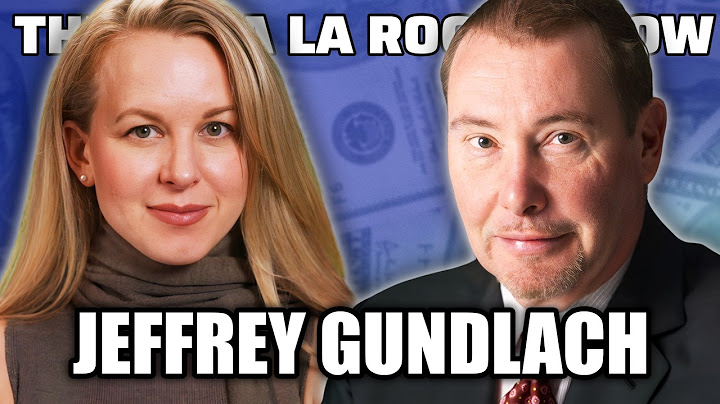
Jeffrey Gundlach warns of an unsustainable trajectory in U.S. public finances, with annual deficits of around two trillion dollars and sharply rising interest expenses that have increased from roughly 300 billion to about 1.4 trillion dollars. At the same time, the economy is slowing while Treasury yields are rising, indicating a long-term shift from declining to increasing interest rates. Unlike in previous downturns, rates could continue to rise even during a recession, further exacerbating the debt burden. Gundlach sees growing risks in financial markets, pointing to unusual developments such as widening credit spreads alongside rising yields, and expects a challenging environment for assets. He considers it possible that measures such as restructuring government debt or effectively devaluing it through inflation may become necessary, as the current path is not sustainable in the long term.
Against this backdrop, he recommends a defensive investment strategy focused on capital preservation. In his view, U.S. investors are poorly positioned and should increase exposure to foreign equities, particularly in emerging markets and in local currencies. His suggested asset allocation includes about 40 percent in non-U.S. stocks, 25 percent in high-quality short-duration fixed income, 15 percent in commodities including gold, and a higher share in cash. He sees gold as an attractive store of value that is increasingly being accumulated by central banks, while U.S. equities appear overvalued by historical standards. At the same time, he warns of structural problems in the private credit market, which he believes resembles the subprime market before the 2007 financial crisis in both size and risk.
Gundlach is particularly critical of the lack of transparency and valuation practices in the private credit sector, as well as the growing illiquidity amid rising redemption requests. He expects significant market dislocations and a repricing of credit risk, especially for lower-rated bonds. He also emphasizes that U.S. monetary policy effectively follows movements in two-year Treasury yields and that further rate increases are possible if yields continue to rise. For 2026, he assigns at least a 50 percent probability to a recession.