

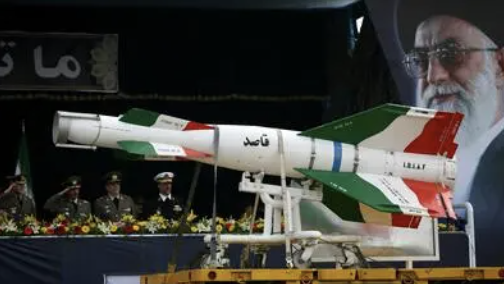
Amid the ongoing military escalation between Iran, the United States, and Israel, the internal debate in Tehran over acquiring nuclear weapons is intensifying. Influential hardliners are increasingly openly calling for the development of a nuclear bomb to deter further attacks. Since the death of Supreme Leader Ali Khamenei at the end of February, the Revolutionary Guards have dominated the political direction, further strengthening support for a nuclear program. At the same time, Tehran has rejected the 15-point ceasefire plan delivered by the United States via Pakistani mediators as one-sided, while emphasizing that indirect diplomatic contacts continue.
The US government says it is close to achieving key war objectives and is considering options for decisive military escalation. President Donald Trump stated that Iran must engage seriously in negotiations, otherwise there would be “no turning back.” Scenarios for a “final blow” are being discussed, including massive airstrikes on nuclear facilities, a blockade of Iranian oil exports, or even ground operations. Despite this rhetoric, Washington maintains that diplomatic solutions are still being pursued. Vice President J. D. Vance said Iran’s conventional military is largely destroyed, giving the US greater flexibility. Defense Secretary Pete Hegseth stated that negotiations would continue “through bombs.”
Iran continues to reject direct talks and ties negotiations to its own conditions. Officials describe US proposals as unfair and misleading, while stressing that diplomacy is not entirely ruled out. Tehran has nevertheless announced it will continue the war until its objectives are met and appears to be preparing for a prolonged conflict.
Militarily, the escalation continues. Israel reports the killing of Revolutionary Guards naval commander Alireza Tangsiri in a targeted airstrike. In response, Iran has attacked energy infrastructure in Saudi Arabia and Kuwait and continues missile and drone strikes on Israeli territory. At the same time, Tehran threatens to expand the conflict to strategic waterways such as the Strait of Hormuz and Bab al-Mandab.
The humanitarian consequences of the war are severe. According to Iranian figures, at least 1,937 people have been killed so far, including many women and children, while more than 24,000 have been injured. There are also losses on the US side; reports indicate that several military bases in the region have been heavily damaged by Iranian missile attacks and are partly uninhabitable.
Strategically, Kharg Island is gaining importance as a central hub for Iran’s oil exports. Iran is strengthening its defenses there and preparing for possible US attacks. At the same time, there are doubts about whether capturing the island would significantly alter the course of the conflict.
International pressure for de-escalation is growing. Gulf Cooperation Council states warn of far-reaching consequences for the global economy and call for an immediate halt to the attacks. Several countries, including Pakistan, Turkey, and Egypt, are seeking to mediate. Nevertheless, the situation remains tense, as both further military escalation and a diplomatic breakthrough appear possible.
Source: Zerohedge